About Dr. Reza Malek, MD: Interventional Radiologist and Neurointerventionalist
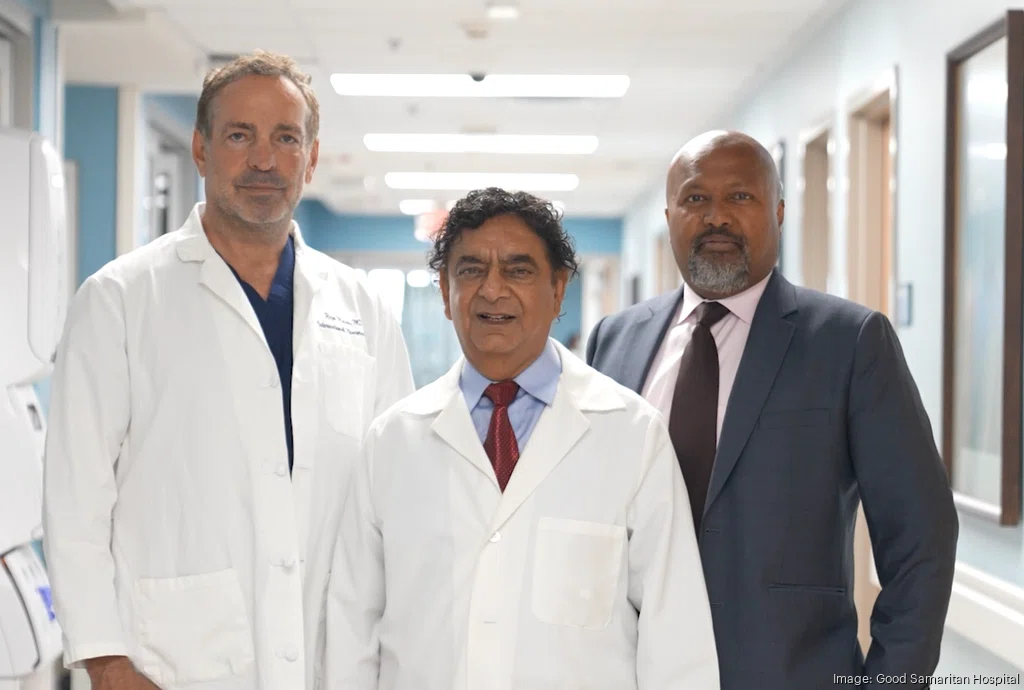
Reza Malek, MD, is an endovascular and interventional specialist in California with more than 30 years of experience. For most of his career he focused on stroke care, co-founding regional comprehensive stroke programs that expanded access to thrombectomy and helped preserve brain function for thousands of patients. He is known for stroke thrombectomy, aneurysm coiling and embolization, and was a site investigator in major stroke trials including TREVO 2 and SAMMPRIS. He advised on the early development of the MERCI Retriever, one of the first mechanical devices used to remove clots in acute stroke.
Dr. Malek co-founded two comprehensive stroke programs in San Jose: Good Samaritan Hospital in 2005 and Regional Medical Center of San Jose in 2007. The Good Samaritan program was the region's first comprehensive stroke program. His training includes a Brigham and Women's Hospital / Harvard Medical School interventional radiology fellowship, a UCSF neurointerventional fellowship, and an international neurovascular diploma from Université Paris XI, approved by the Royal College of Radiologists.
He is among a relatively small group of U.S. interventional radiologists with formal training in both body and brain interventions. He has performed more than 1,000 microcatheter procedures and has particular experience navigating small, tortuous, or calcified arteries.
He is board-certified by the American Board of Radiology in Diagnostic Radiology, with Added Qualification in Vascular and Interventional Radiology. He is an Assistant Clinical Professor at UCSF.
Today he applies the same catheter-based skills used in intracranial work to prostate artery embolization. Prostate arteries are often under 1 mm and can be highly variable or calcified; experience with brain vessels is directly relevant to achieving bilateral embolization in technically challenging cases. His technical success rate in appropriately selected patients is consistently high, in line with published series from experienced operators.
Credentials
01 / 20
Mentors & Inspiration
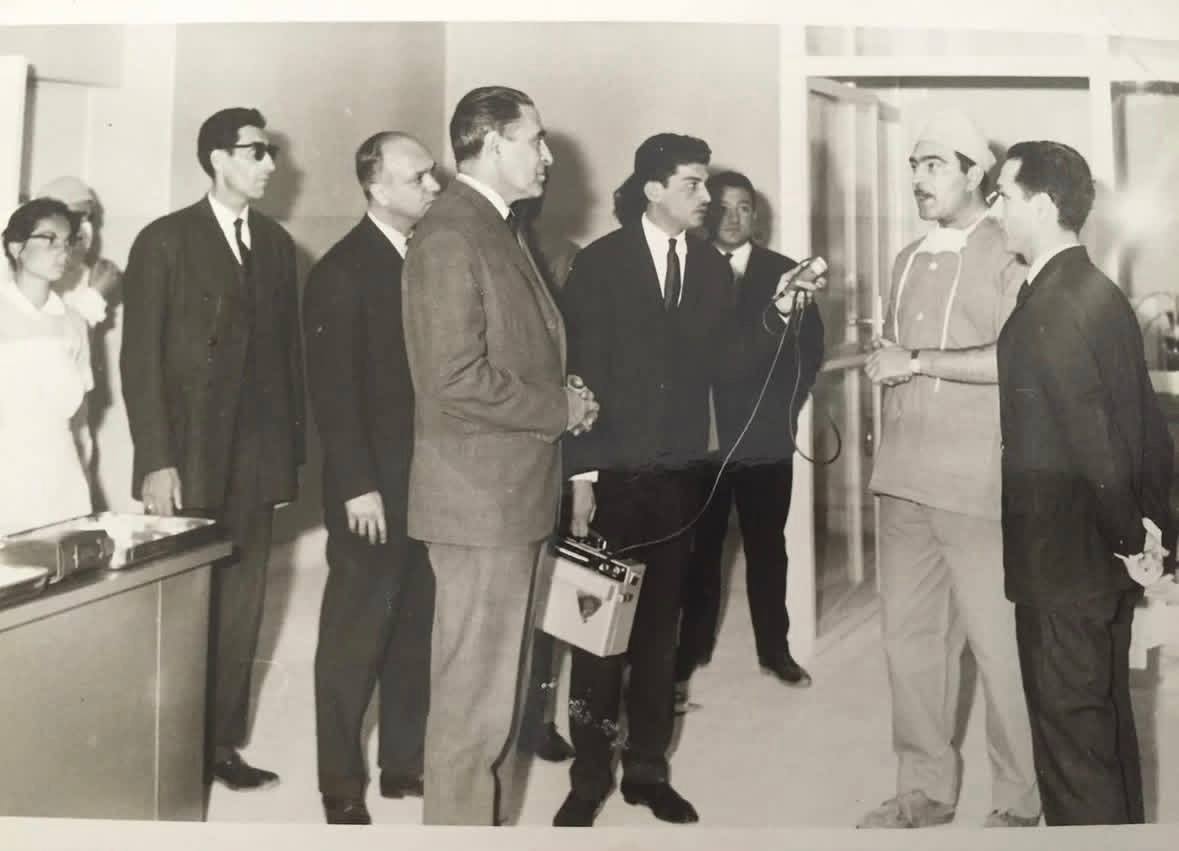
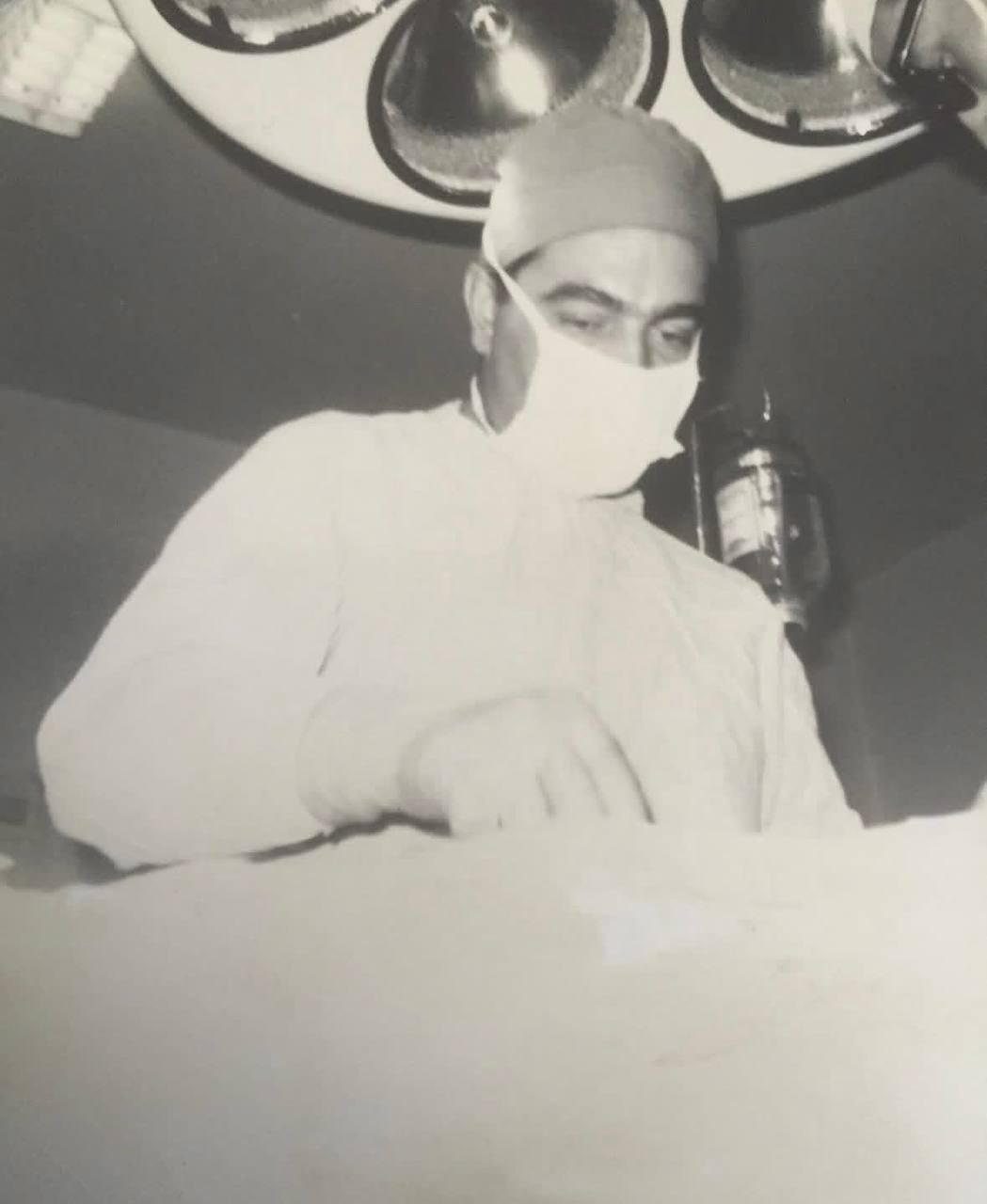
Reza Malek's path into medicine began with his father, Dr. Hossein Maleksalehi, a surgeon trained in America in the early 1960s. After returning to Iran, he built his own hospital, became a respected physician, and served on his city council. To his family and friends he was a source of guidance and comfort. To his son, he set a high standard of excellence and a deep belief in the power of healing. Watching him work inspired Reza to become a physician himself.
That path led through some of the most respected institutions in American medicine: Jefferson Medical College, Brigham and Women's Hospital and Harvard Medical School, the University of California, San Francisco, and the University of California, Irvine. He later extended his training internationally through a neurovascular diploma from Université Paris XI. For much of his career, his work centered on stroke. In San Jose, he co-founded two comprehensive stroke programs, in 2005 and 2007, that helped turn stroke from a diagnosis with few options into a treatable emergency for the region.
For most of his career, Dr. Malek has used embolization to save lives. Today he applies the same catheter-based skills to a different goal: improving quality of life. Many people do not know that conditions such as an enlarged prostate, fibroids or hemorrhoids can often be treated with minimally invasive procedures that avoid large incisions and long recoveries. Dr. Malek wants more people to know these options exist, so they can make informed decisions with their doctors.