Interventional & Neurovascular Radiology · California
Reza Malek, M.D.
Dr. Reza Malek, M.D.Director, Neuro-Interventional RadiologyInterventional Radiologist with over 30 years of clinical and leadership experience performing advanced, minimally invasive neurovascular procedures — including aneurysm coiling, stroke thrombectomy, and embolization — with the precision of open neurosurgery, but without a surgical incision. Fellowship-trained at Brigham and Women's Hospital / Harvard Medical School, UC Irvine, and UCSF Medical Center. Founder of the first pure interventional and neurointerventional practice in Northern California, and Principal Investigator on landmark stroke trials including TREVO 2 and SAMMPRIS. His research has been published in The New England Journal of Medicine, and his early advisory and investment work helped bring breakthrough stroke technologies — including the MERCI Retriever and VenaSeal — to market.
- 30+
- Years in radiology
- Harvard
- Interventional Radiology Fellowship
- UCSF
- Interventional Neuroradiology
- 1998
- ABR Board Certified
Training & Certification
A record built at the country's leading institutions.
1987 – 1991
Doctor of Medicine (M.D.)
Jefferson Medical College of Thomas Jefferson University, Philadelphia, Pennsylvania
1991 – 1996
Residency, Diagnostic Radiology
Medical Center of Delaware
1995
Radiologic Pathology Course
Armed Forces Institute of Pathology (AFIP), Washington, D.C.
1996 – 1997
Clinical Fellowship in Interventional Radiology
Harvard Medical School / Brigham and Women's Hospital
Faculty appointment confirmed by Office of the Secretary, Harvard University (Aug 20, 1996)
1998
Board Certification
American Board of Radiology — Diagnostic Radiology
With subsequent maintenance and renewals
2000 – 2002
Chief of Interventional Radiology
University of California, Irvine (UCI)
2002 – 2003
Fellowship, Interventional Neuroradiology
UCSF Medical Center, San Francisco
2004 – 2005
Diplôme Interuniversitaire International — Neurovascular Diseases
Université Paris XI (Paris-Sud), France
2005
Guidant Training — RX ACCULINK™ Carotid Stenting & RX ACCUNET™ Embolic Protection
Guidant Corporation
2005
Co-Founder, Comprehensive Stroke Program
Good Samaritan Hospital, San Jose
First comprehensive stroke program in the region
2005 – 2006
International Diploma in Neurovascular Diseases
Université Paris XI × Mahidol University · Chiang Mai, Thailand
Approved by the Royal College of Radiologists (UK) · 135 CME (Category 1 CPD)
2007
Co-Founder, Comprehensive Stroke Program
Regional Medical Center, San Jose
Expanded regional stroke care network
Diplomas & Certificates
Documented, verifiable, and institutionally recognized.
Original diplomas, licenses, and training certificates from Dr. Malek's personal archive.
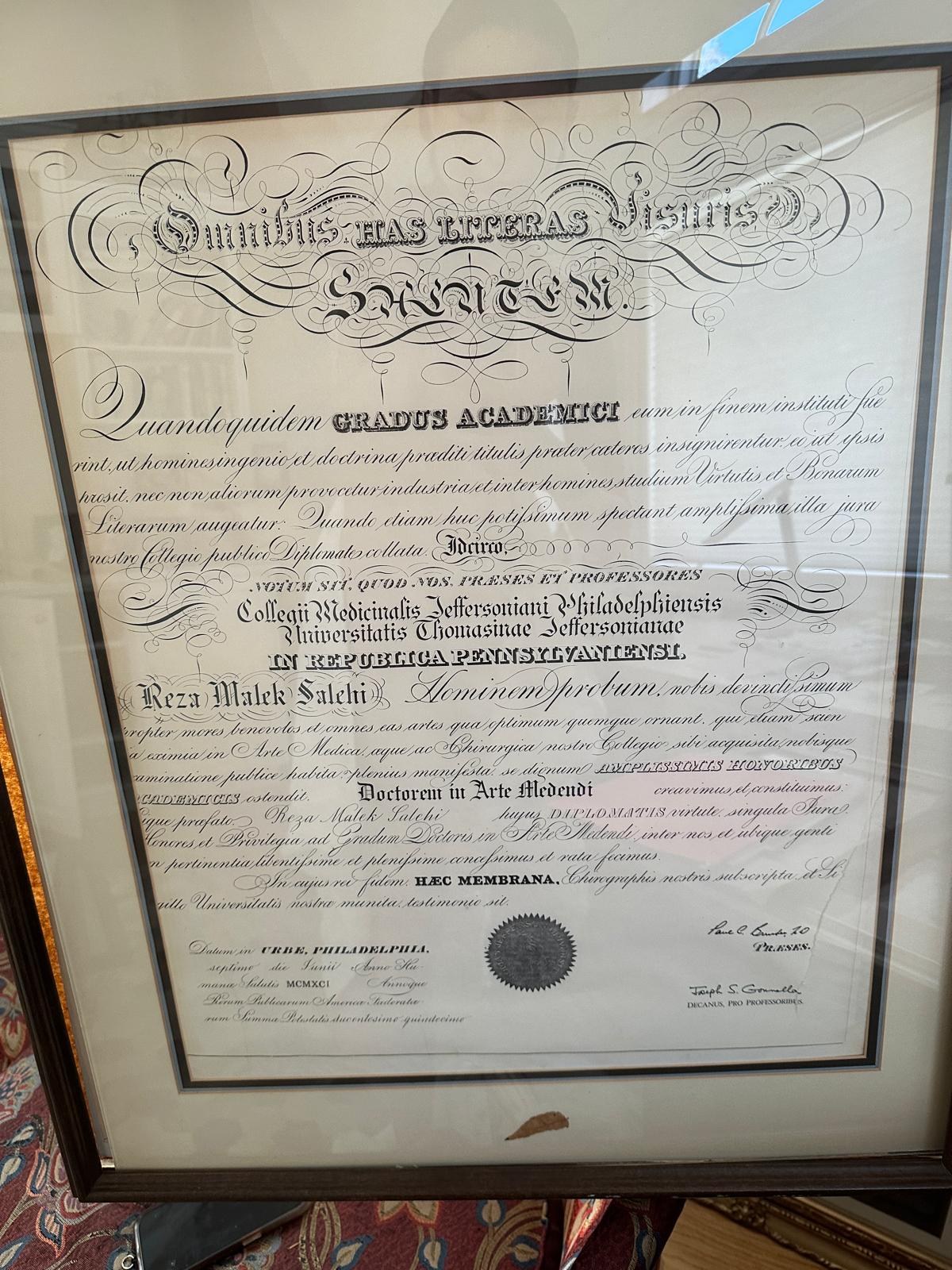
Doctor of Medicine — Philadelphia, 1991
Jefferson Medical College, Thomas Jefferson University
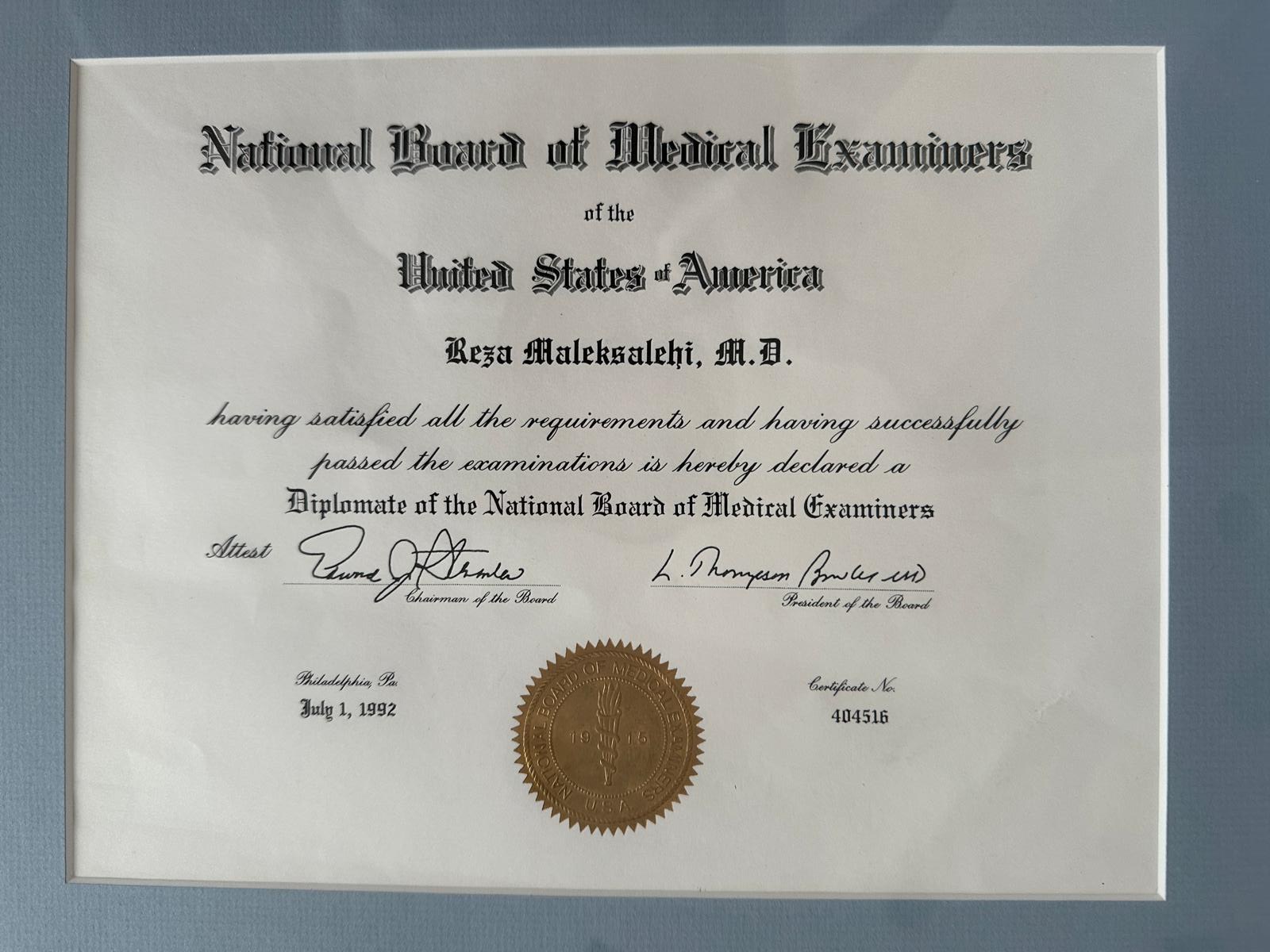
Diplomate, United States of America — July 1, 1992
National Board of Medical Examiners
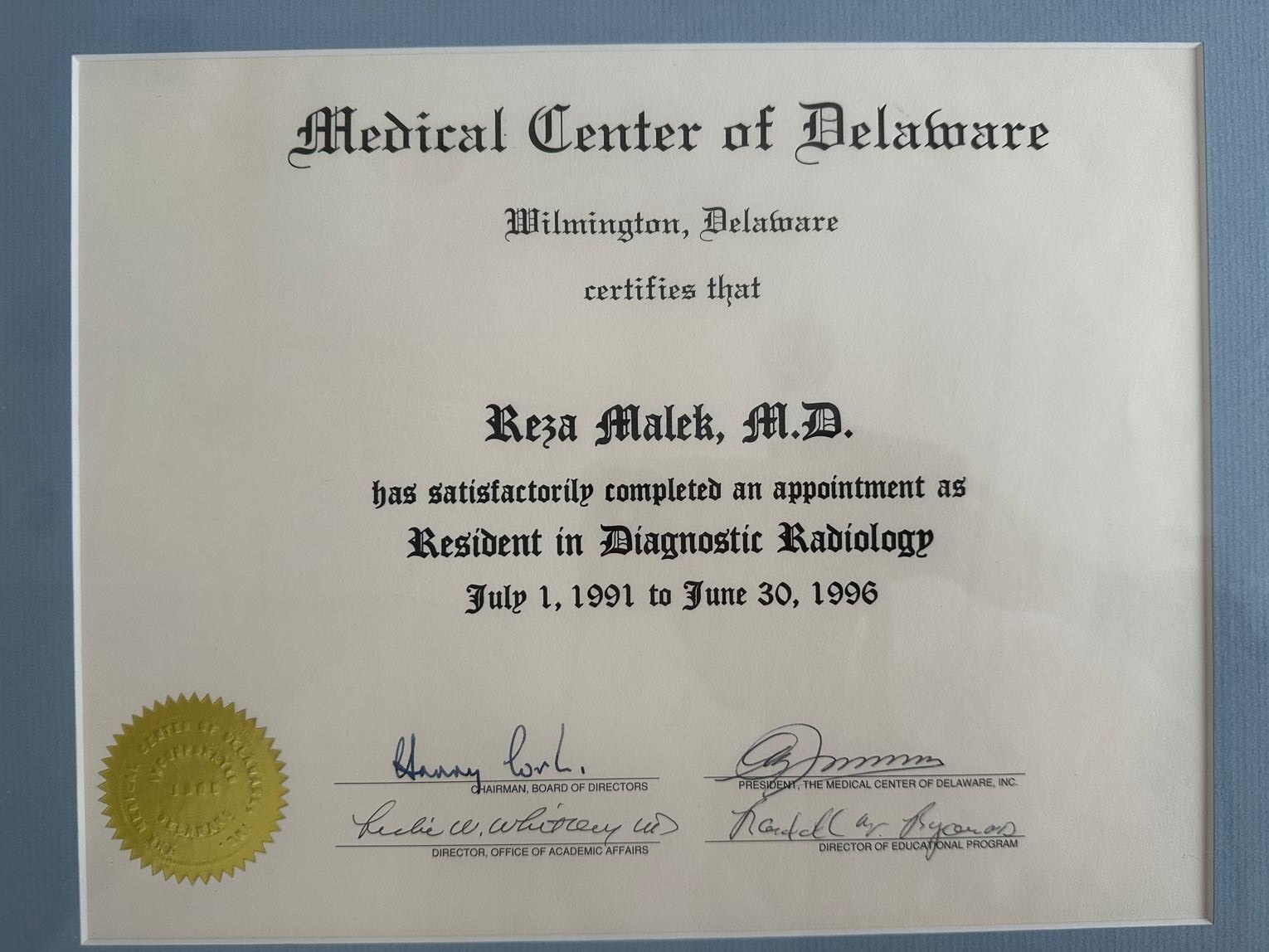
Residency in Diagnostic Radiology — 1991–1996
Medical Center of Delaware
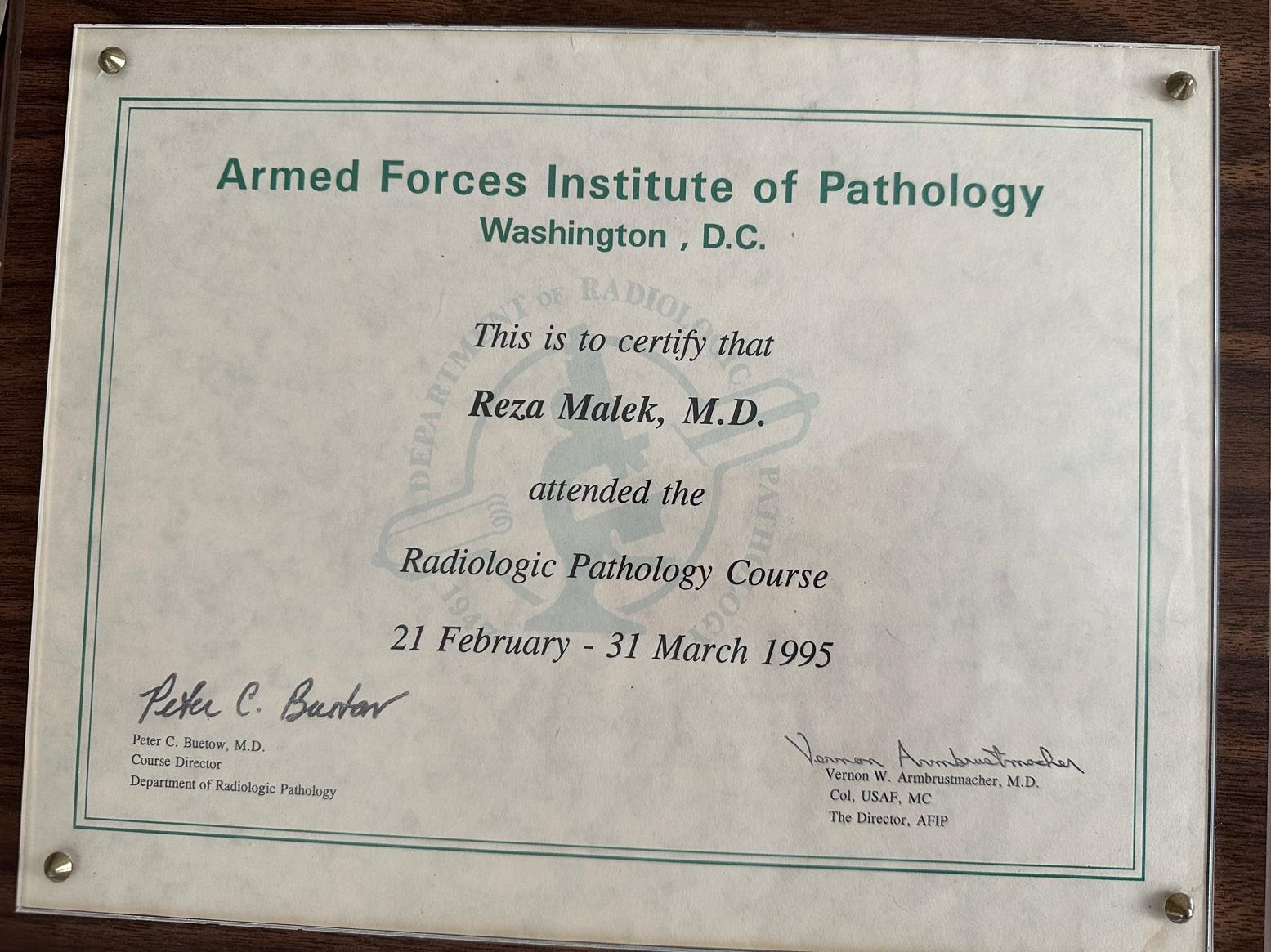
Radiologic Pathology Course — 21 Feb – 31 Mar 1995
Armed Forces Institute of Pathology, Washington, D.C.
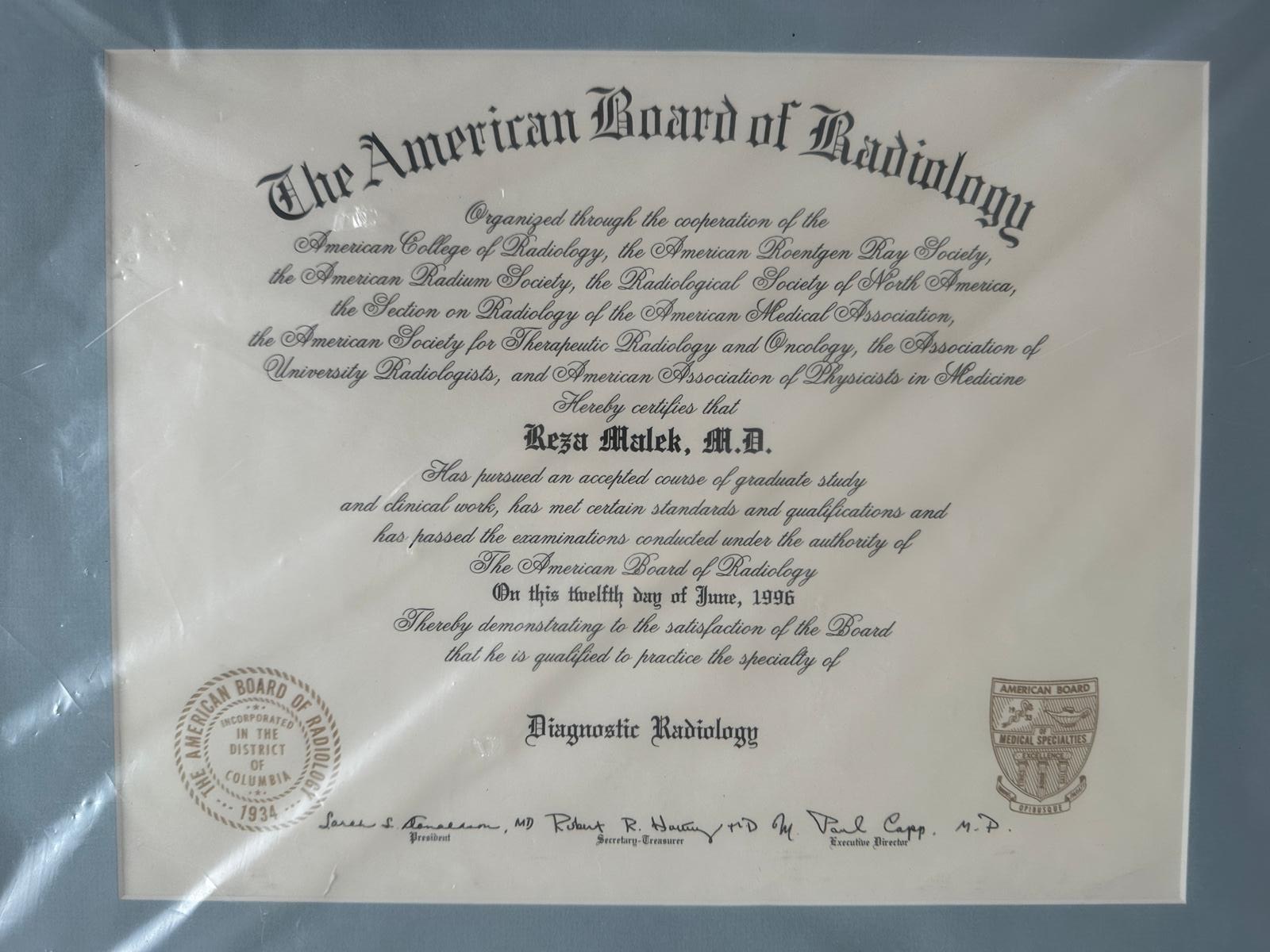
Diplomate, Diagnostic Radiology — June 12, 1996
American Board of Radiology
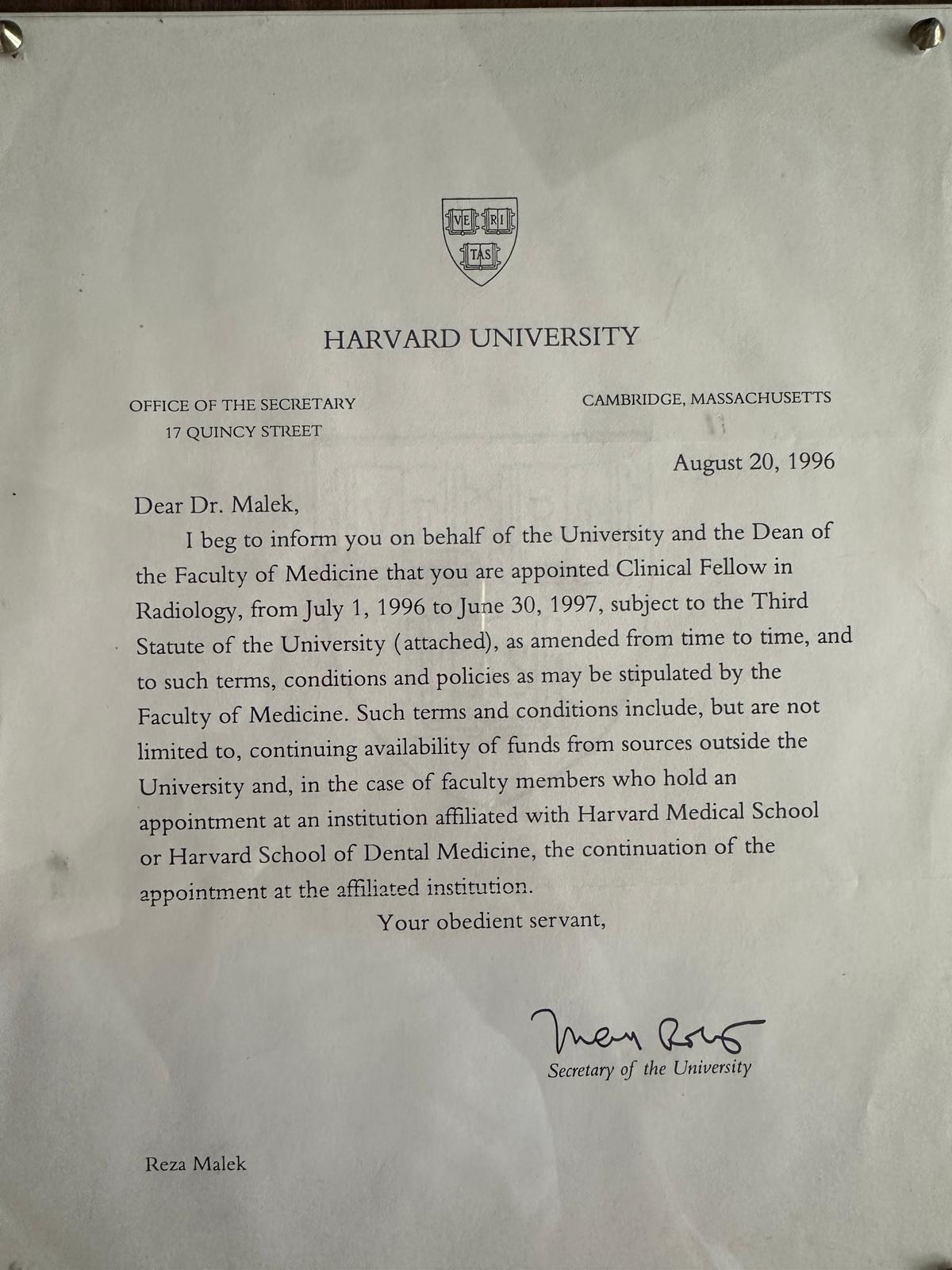
Appointment as Clinical Fellow in Radiology — August 20, 1996
Harvard University
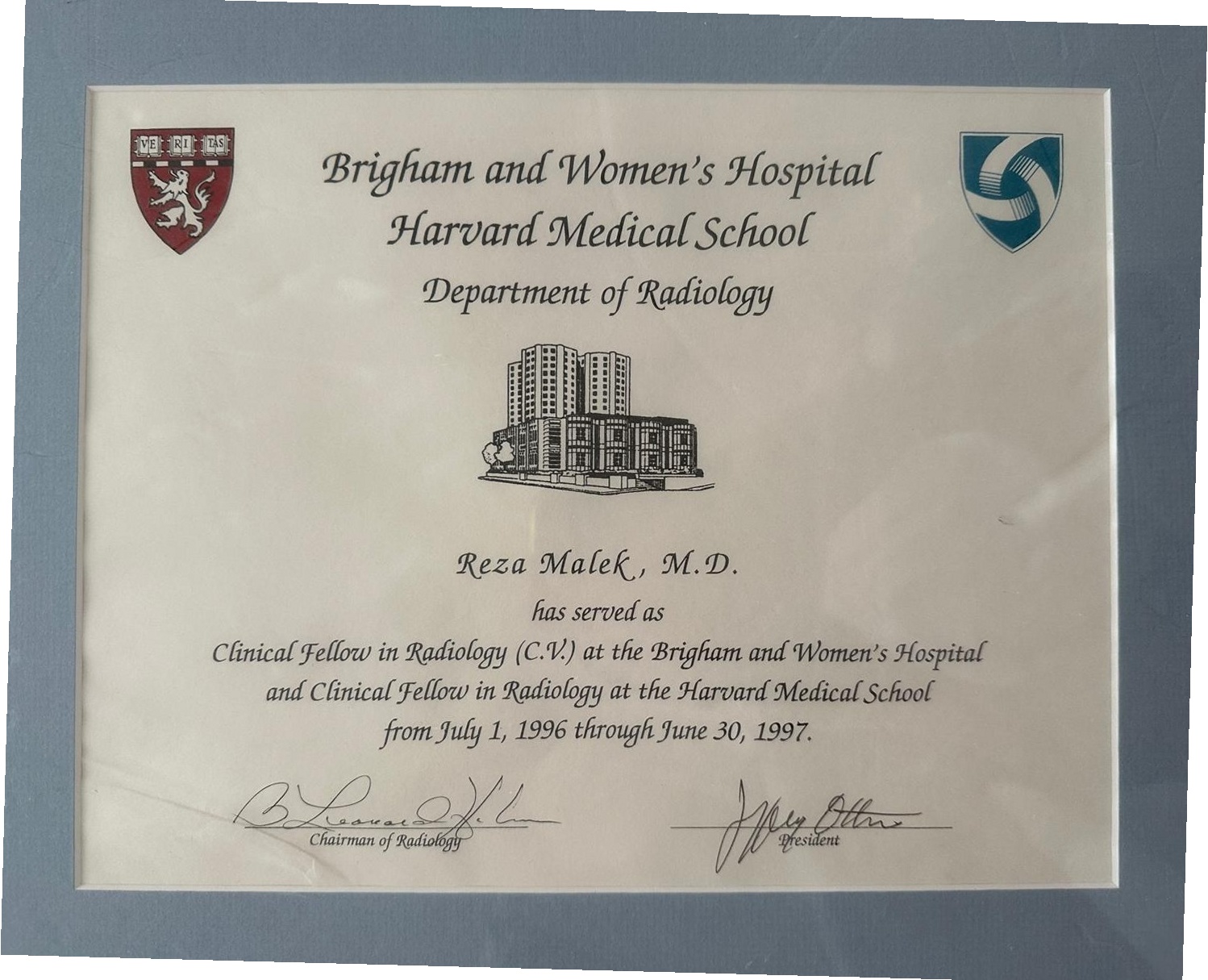
Clinical Fellow in Radiology — July 1996 – June 1997
Harvard Medical School · Brigham and Women's Hospital
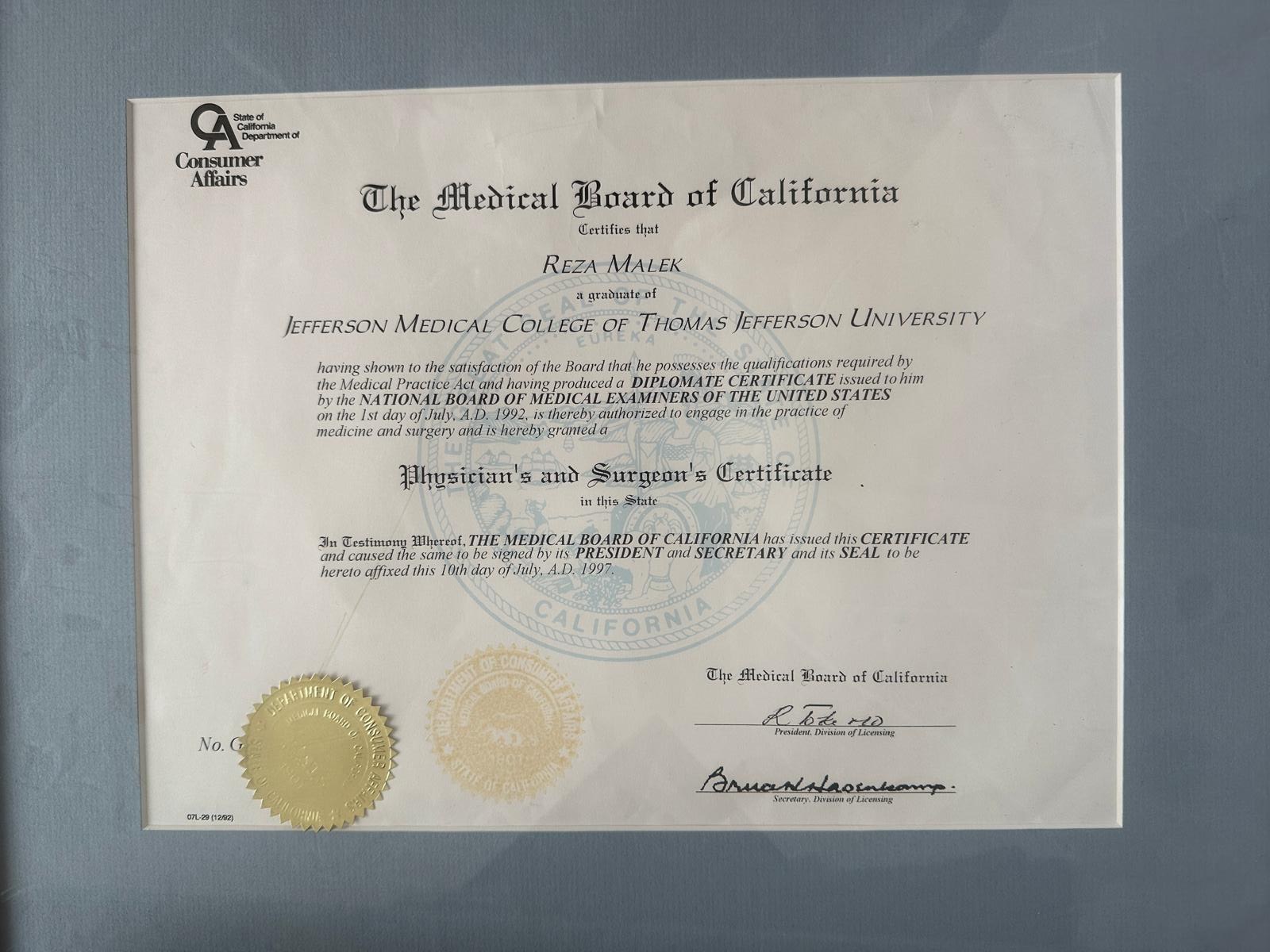
Physician's and Surgeon's Certificate — July 10, 1997
Medical Board of California
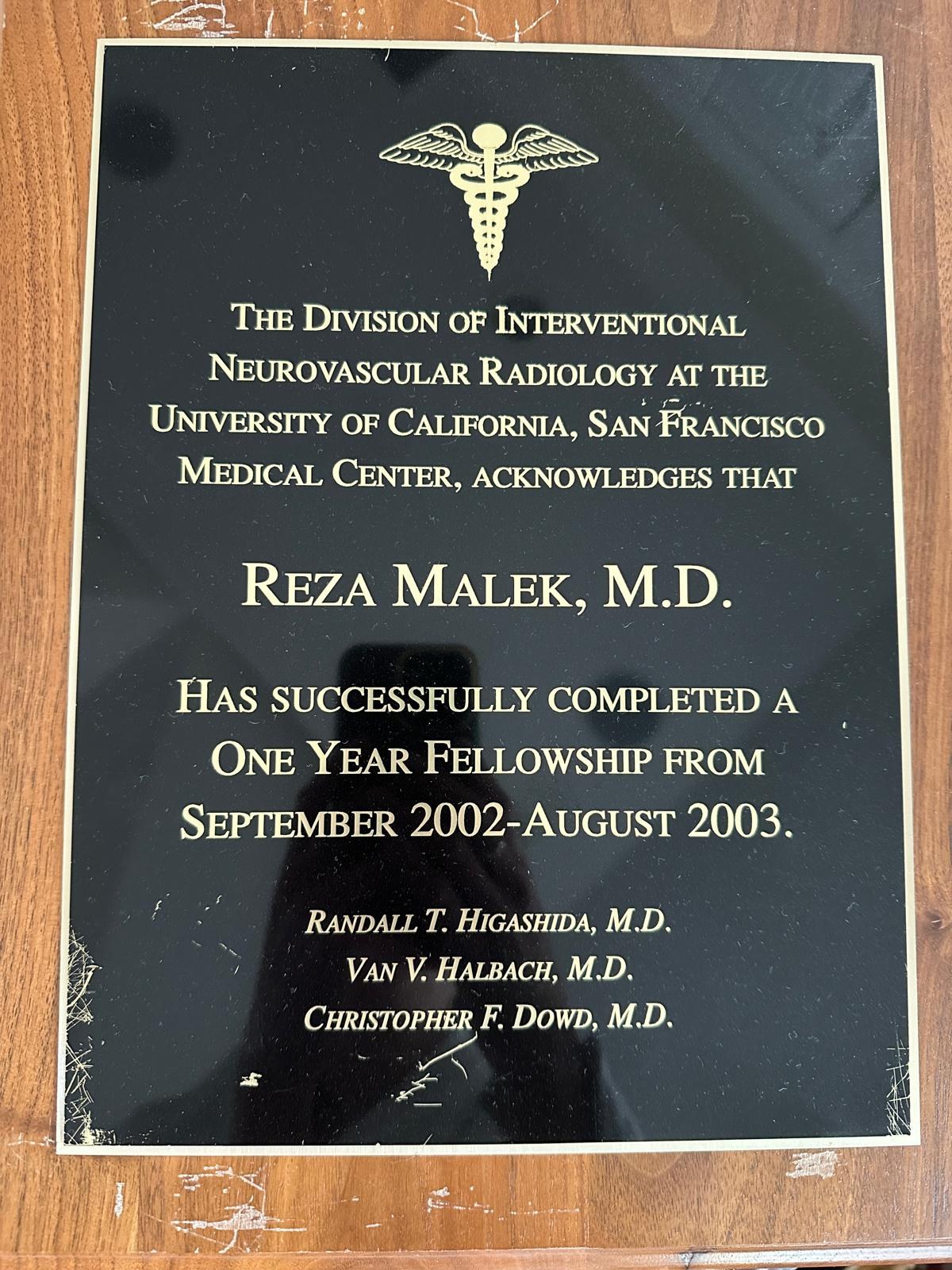
Fellowship, Interventional Neurovascular Radiology — Sept 2002 – Aug 2003
University of California, San Francisco Medical Center
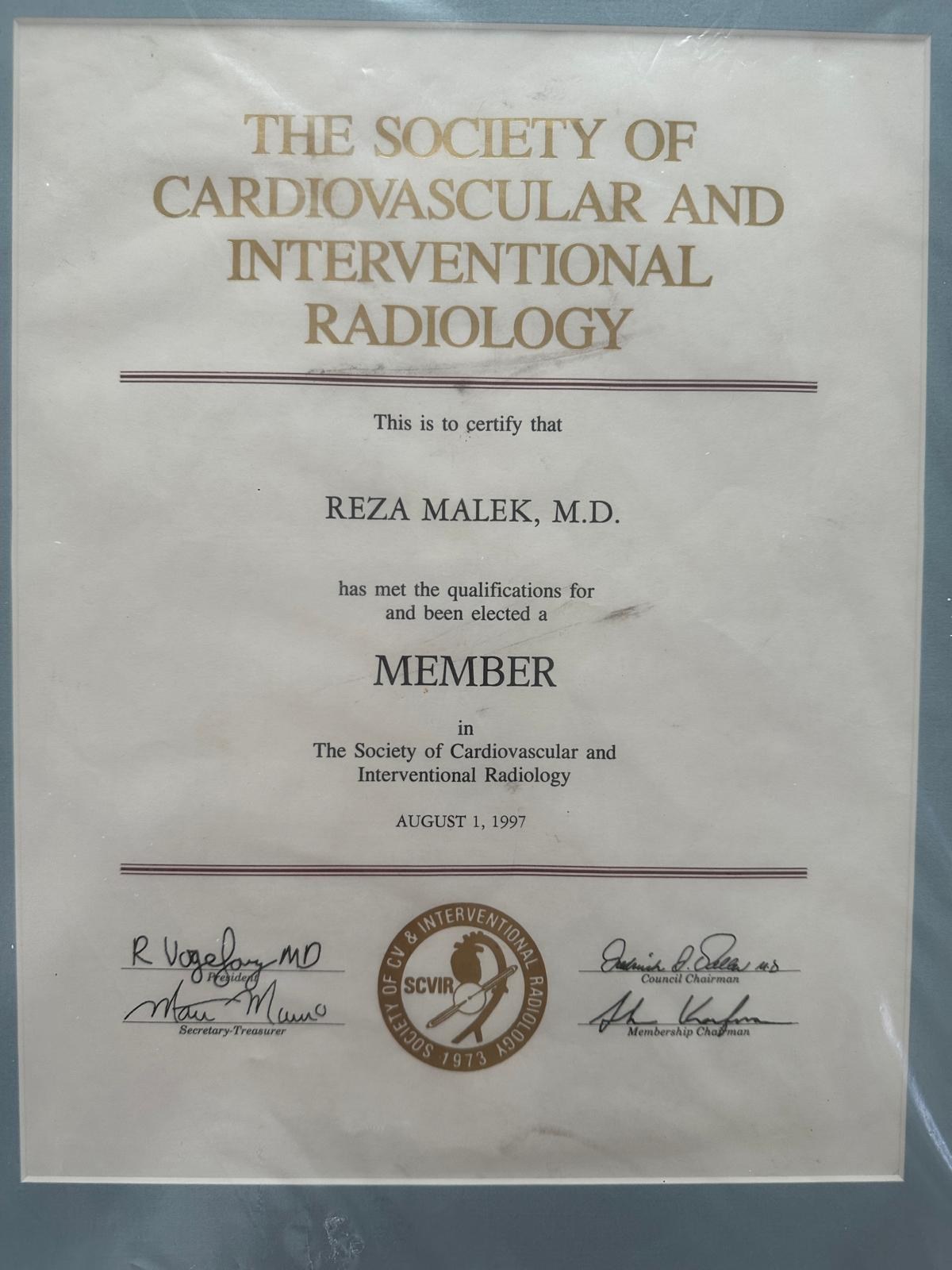
Elected Member — August 1, 1997 (formerly SCVIR)
Society of Interventional Radiology (SIR)
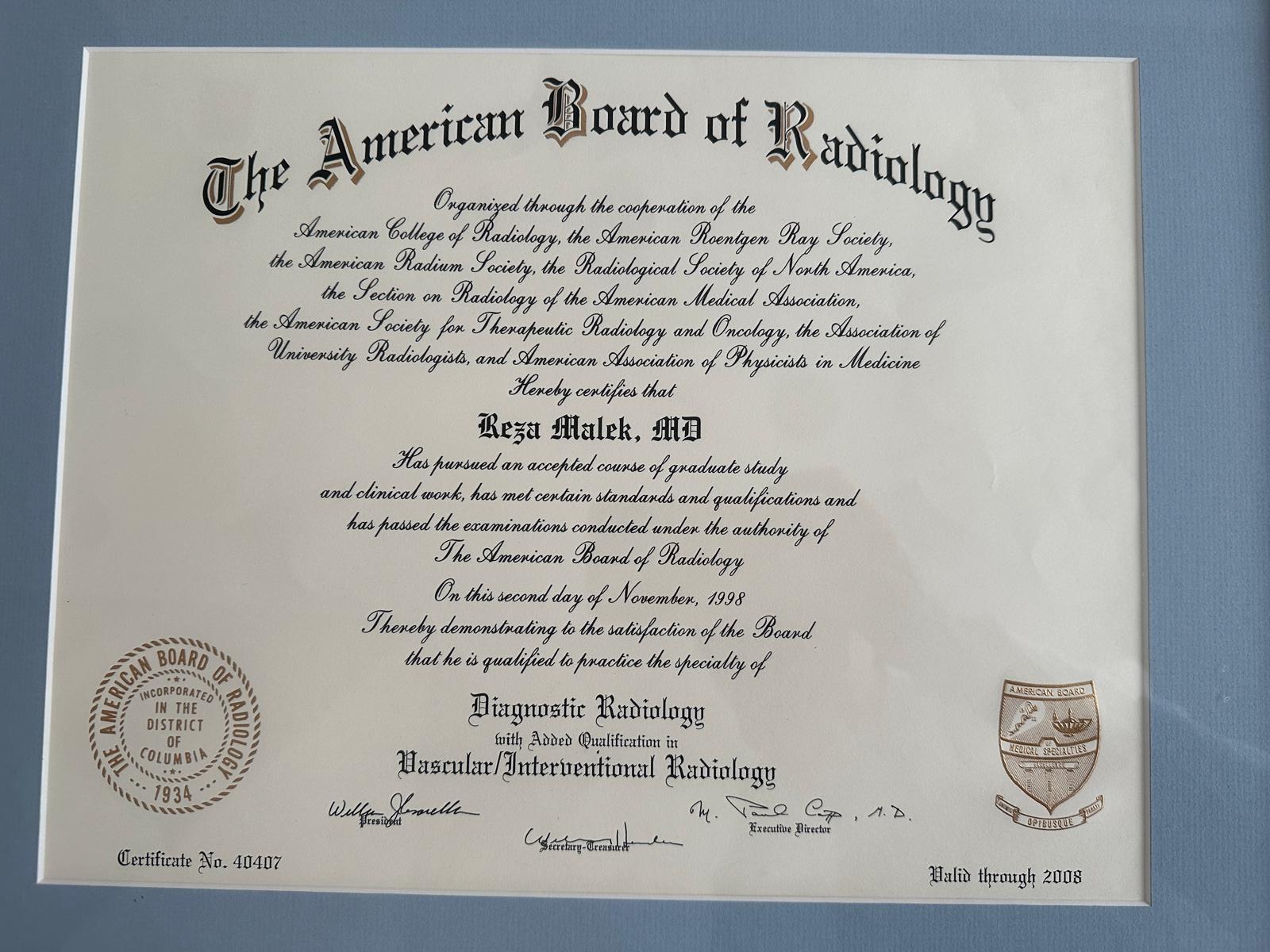
Added Qualification in Vascular / Interventional Radiology — 1998
American Board of Radiology
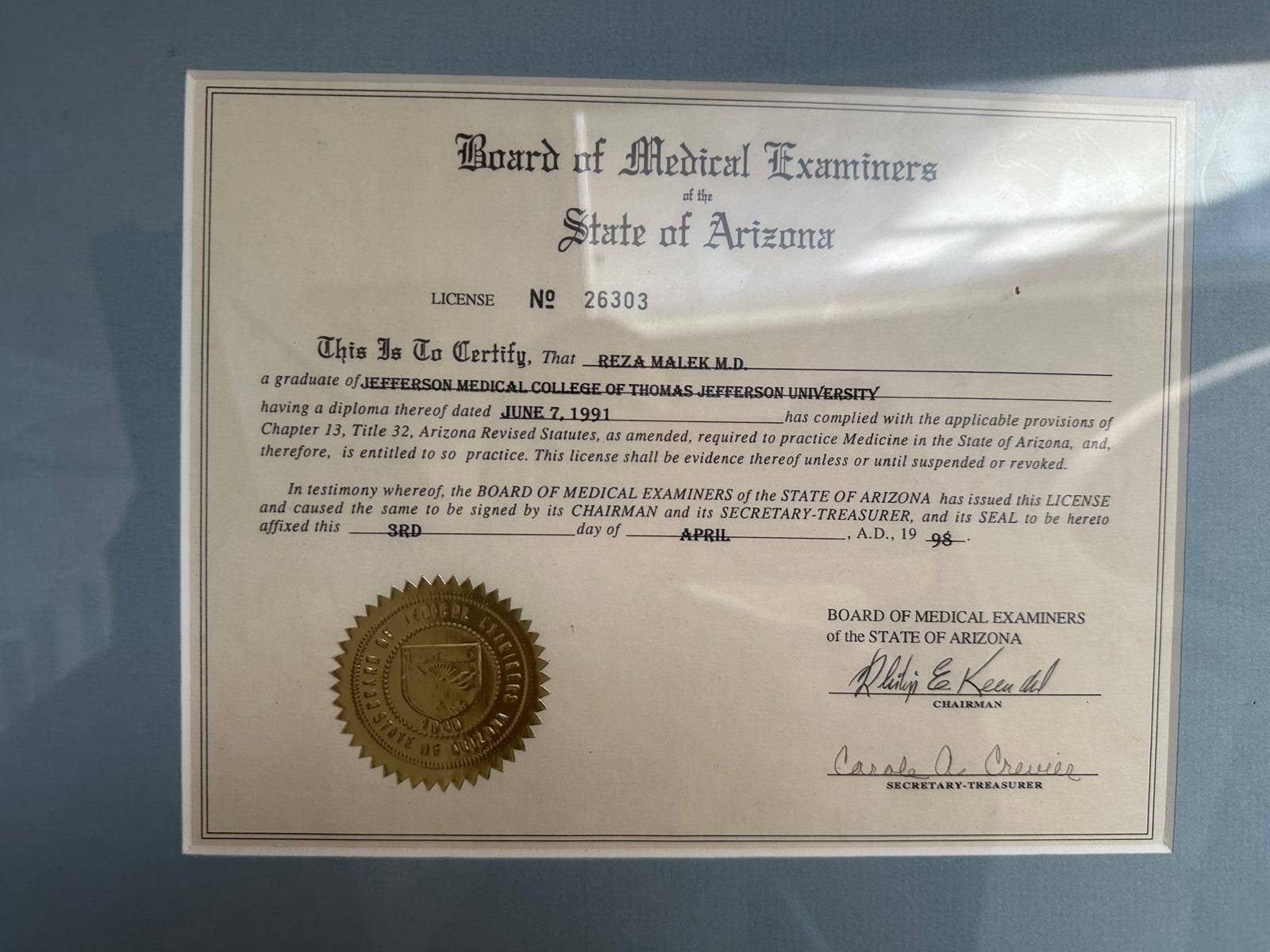
Medical License No. 26303 — 1998
Board of Medical Examiners, State of Arizona
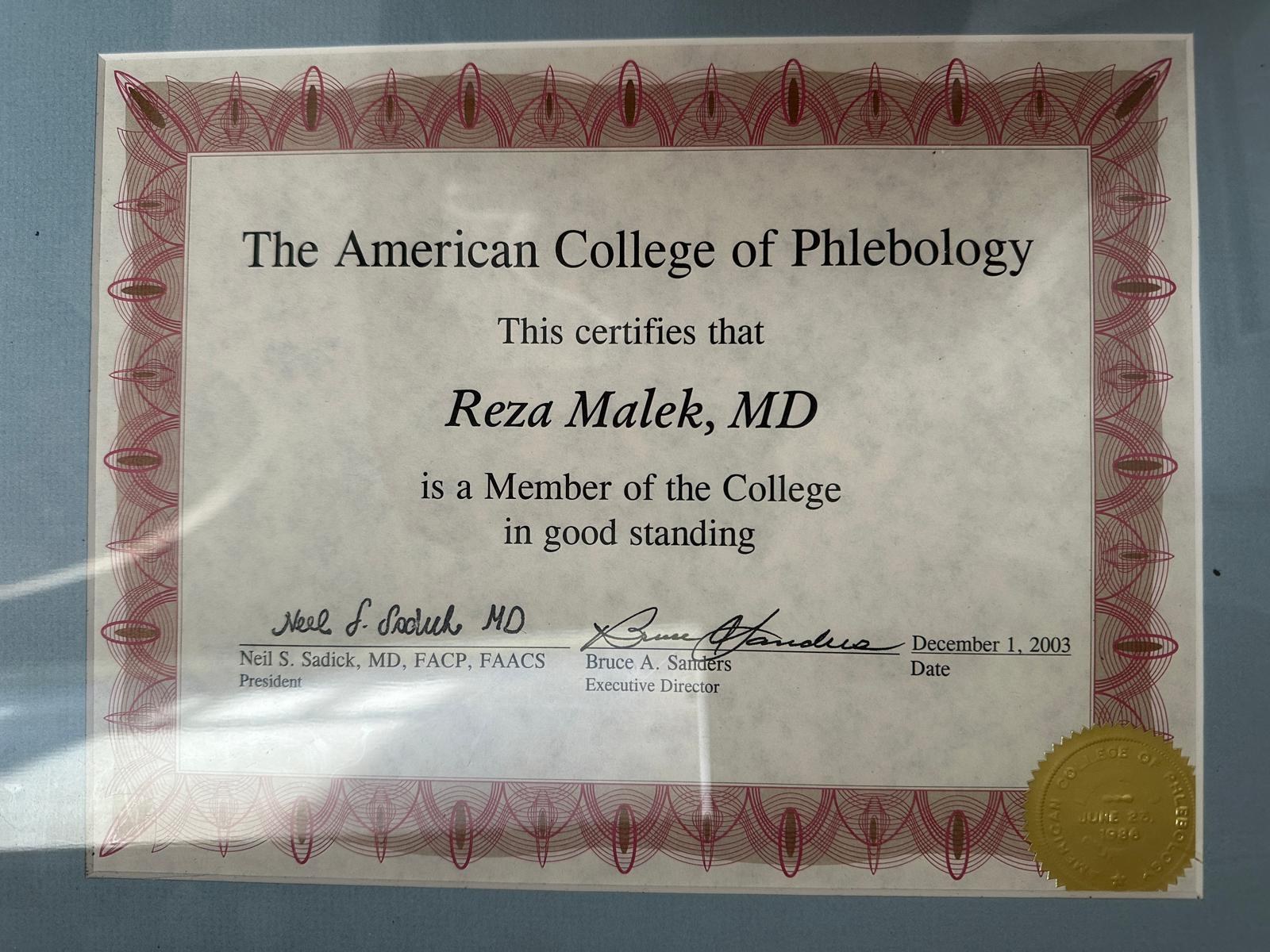
Member in Good Standing — December 2003
The American College of Phlebology
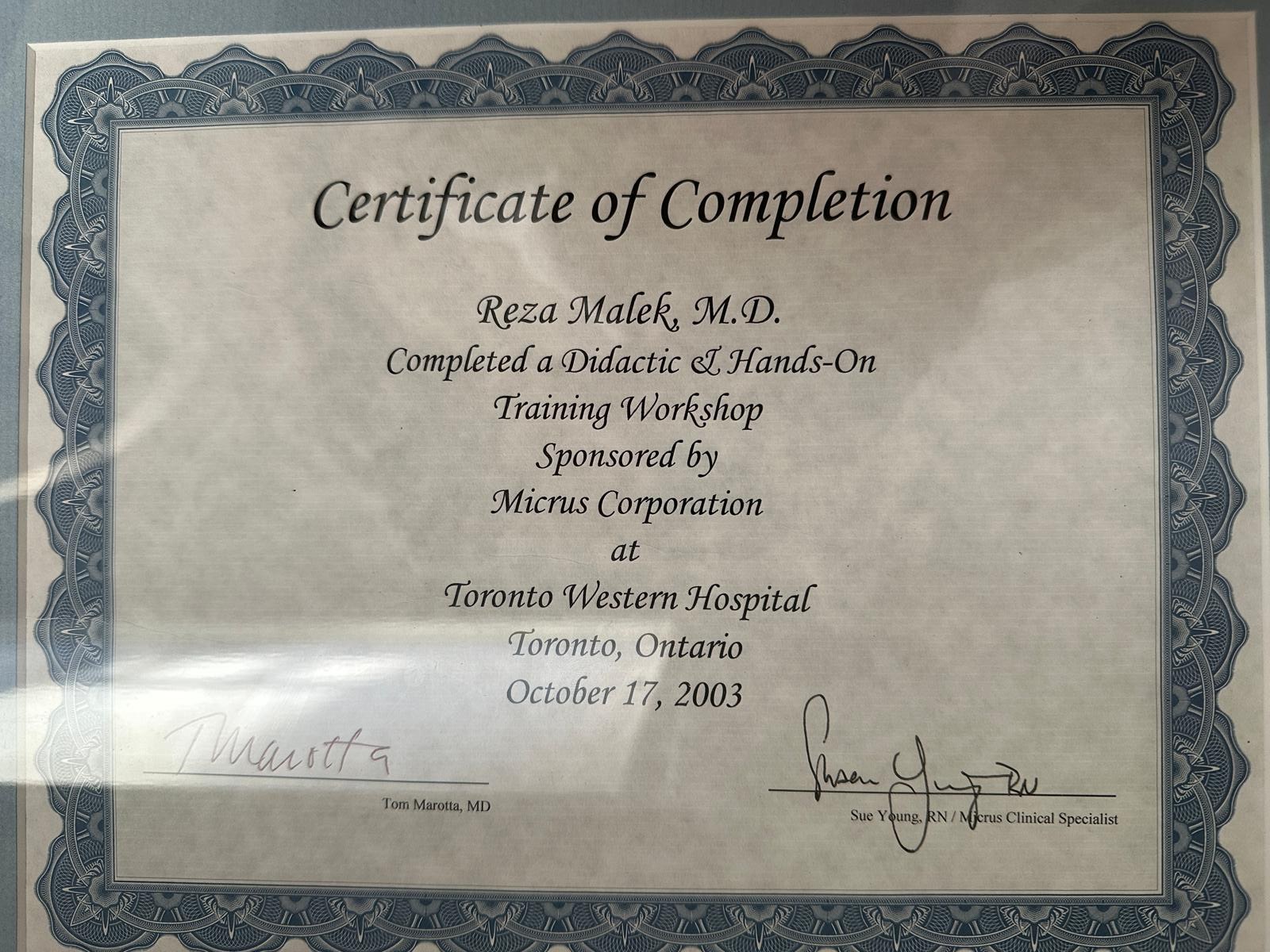
Certificate of Completion — Didactic & Hands-On Workshop, 2003
Micrus Corporation · Toronto Western Hospital
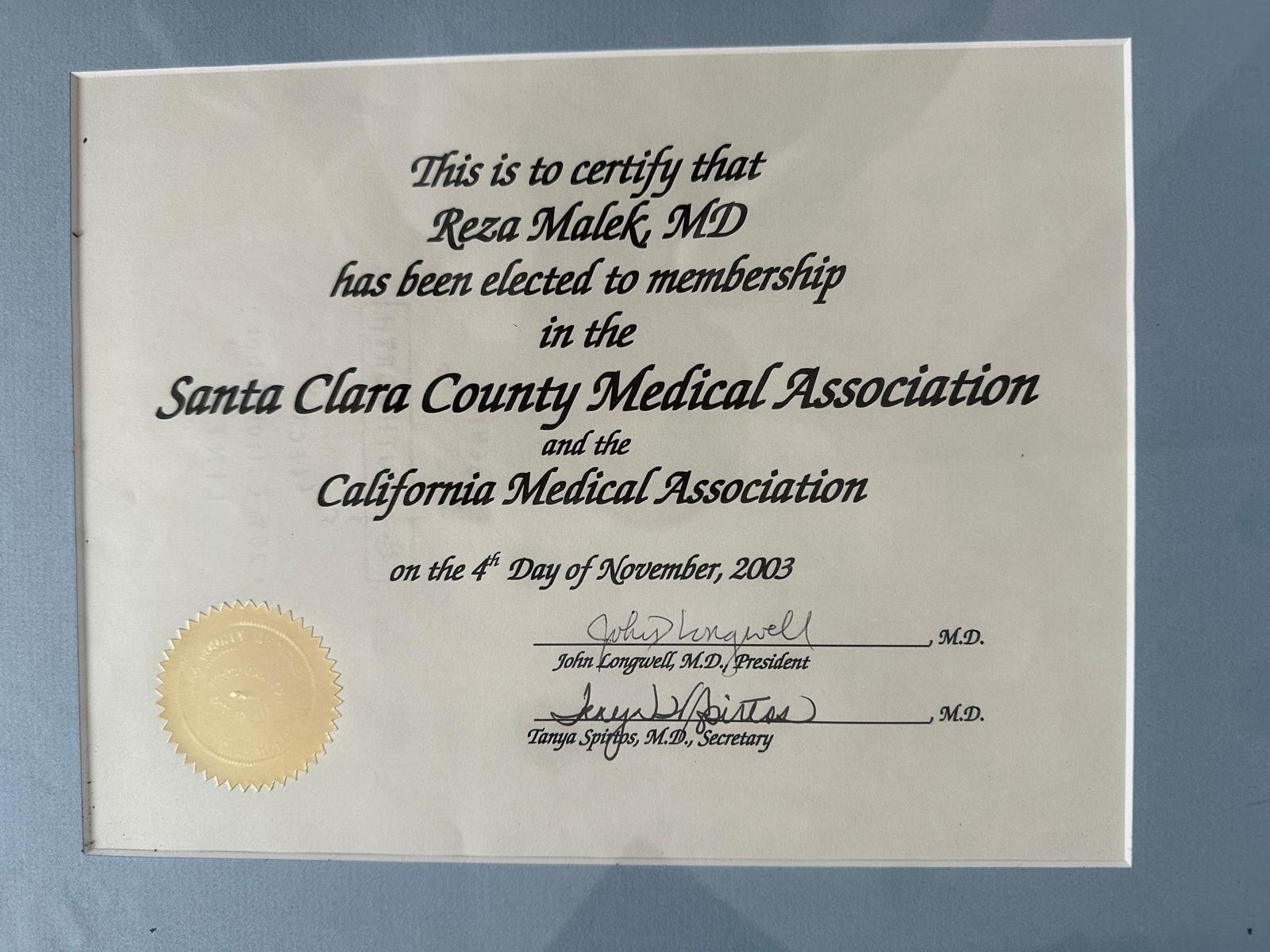
Elected to Membership — November 4, 2003
Santa Clara County & California Medical Association
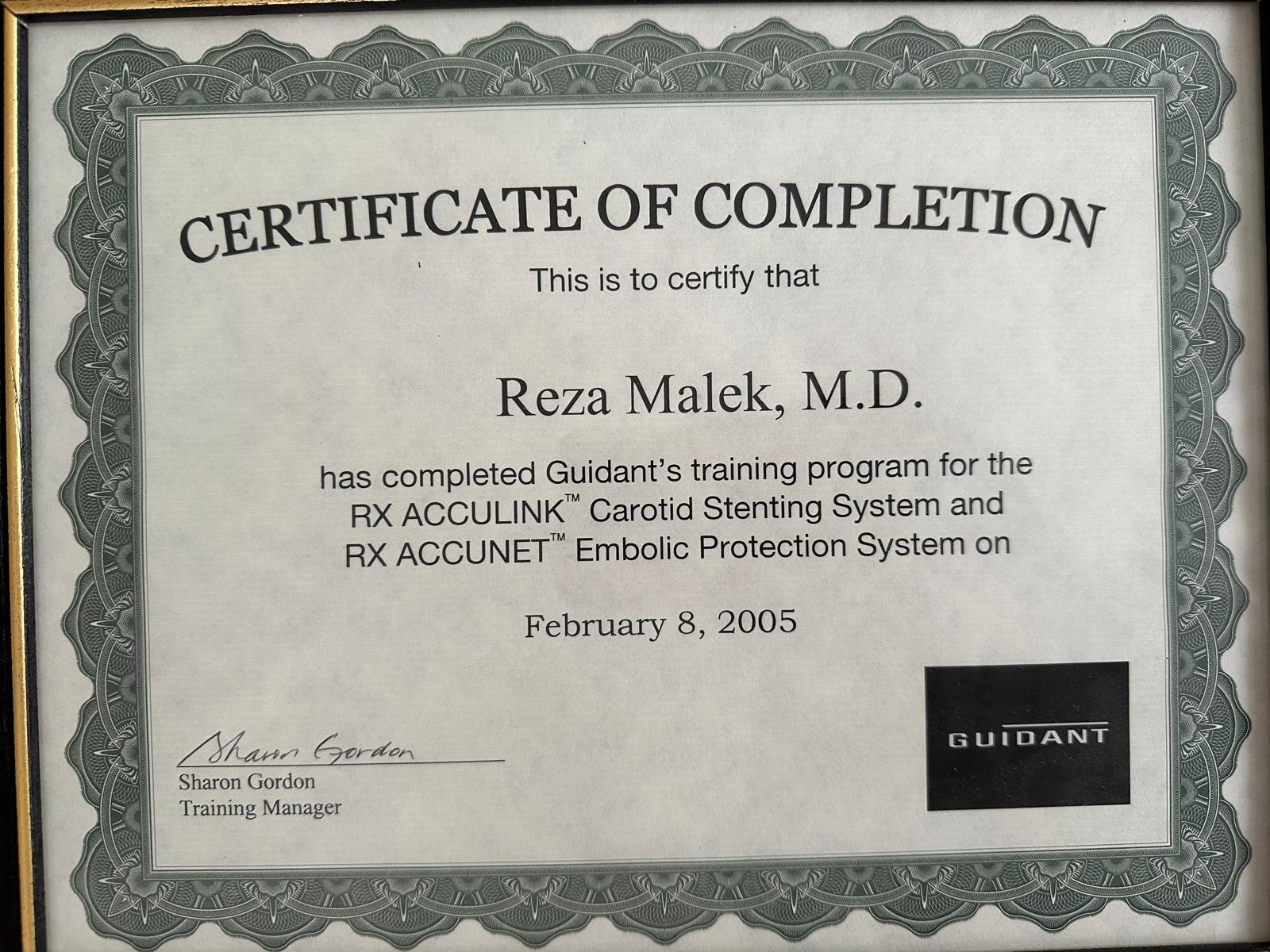
RX ACCULINK™ Carotid Stenting & RX ACCUNET™ Training — Feb 8, 2005
Guidant Corporation
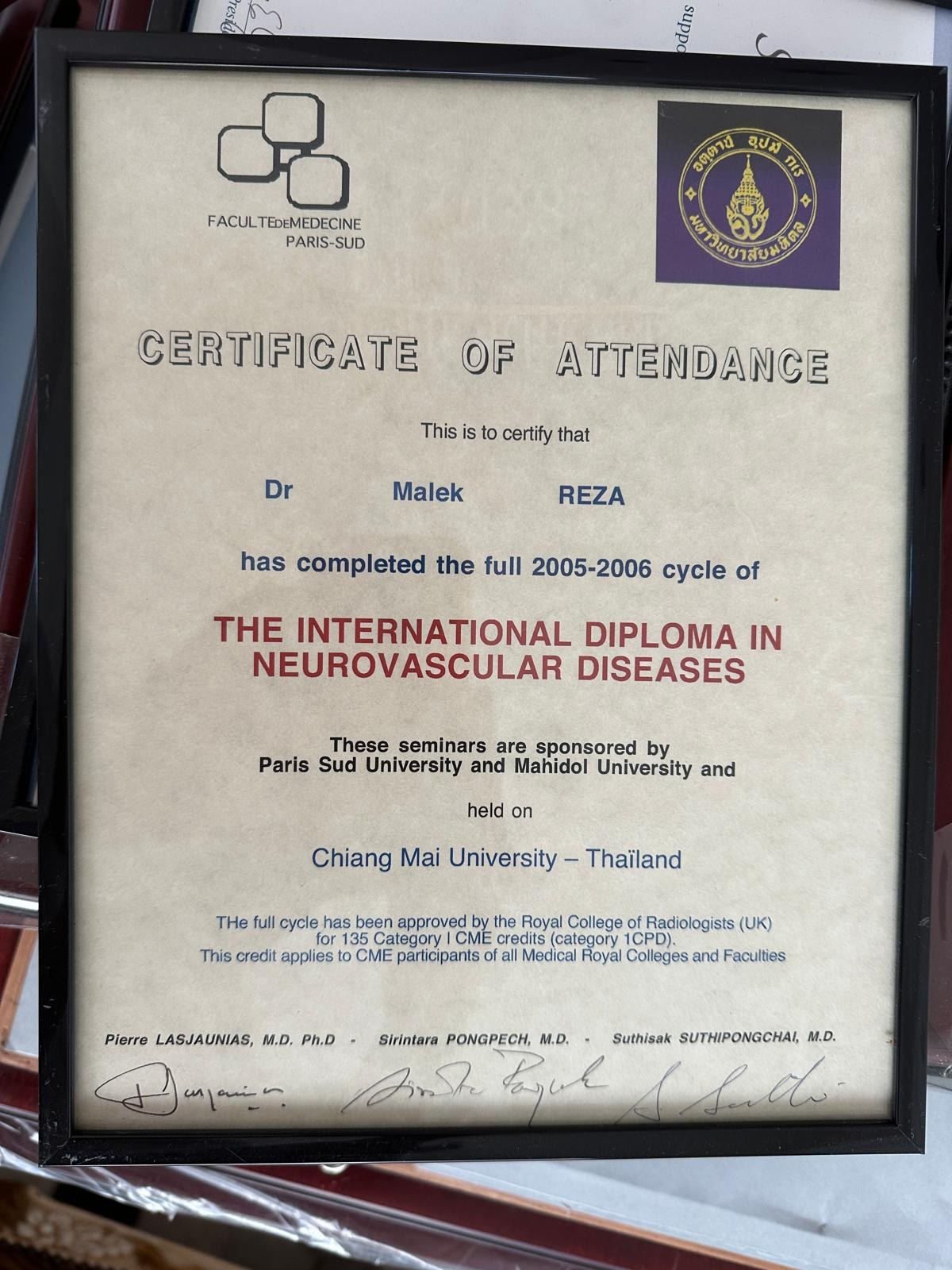
International Diploma in Neurovascular Diseases — 2005–2006
Université Paris-Sud × Mahidol University · Chiang Mai
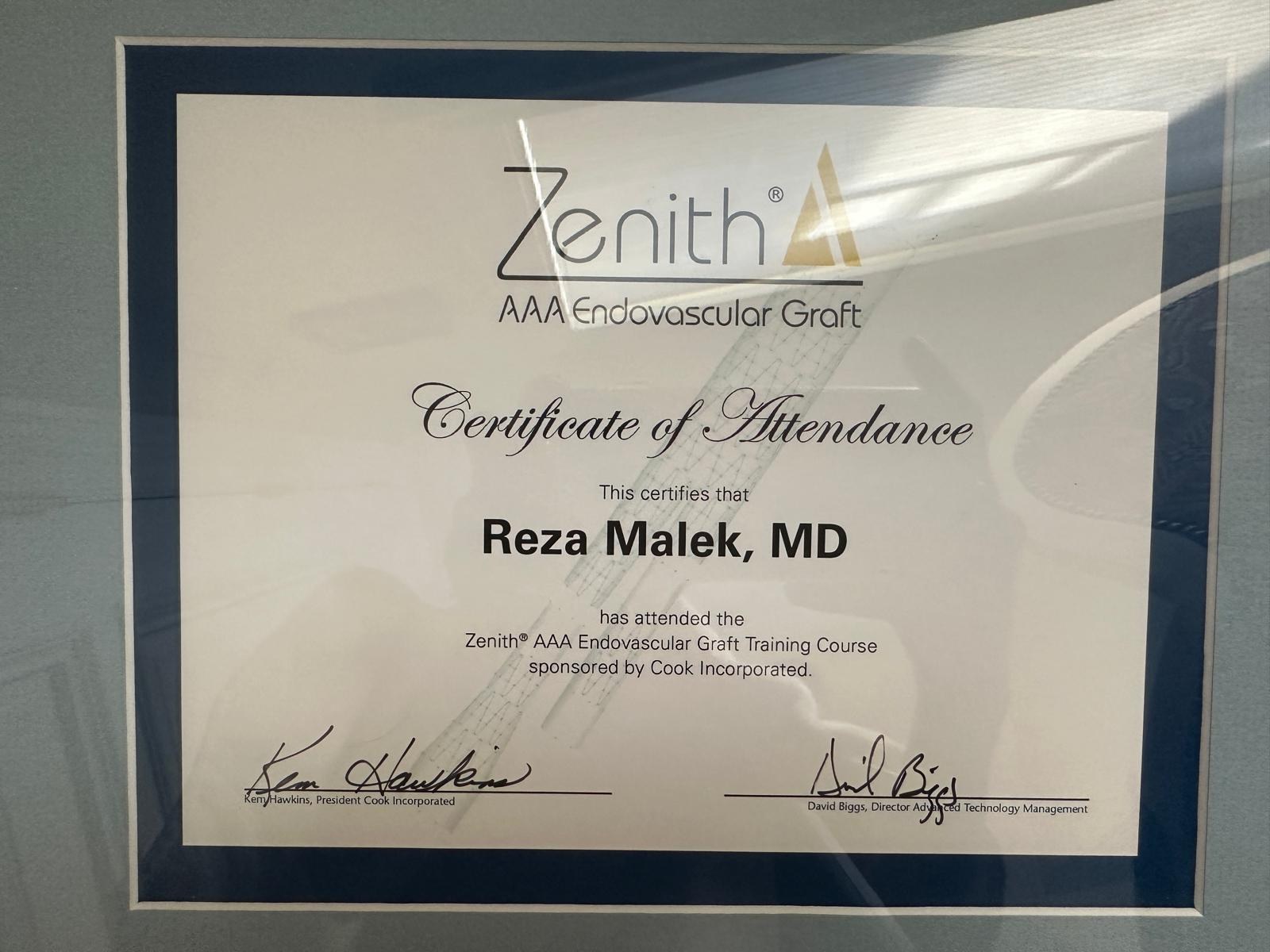
Zenith® AAA Endovascular Graft Training Course
Cook Incorporated
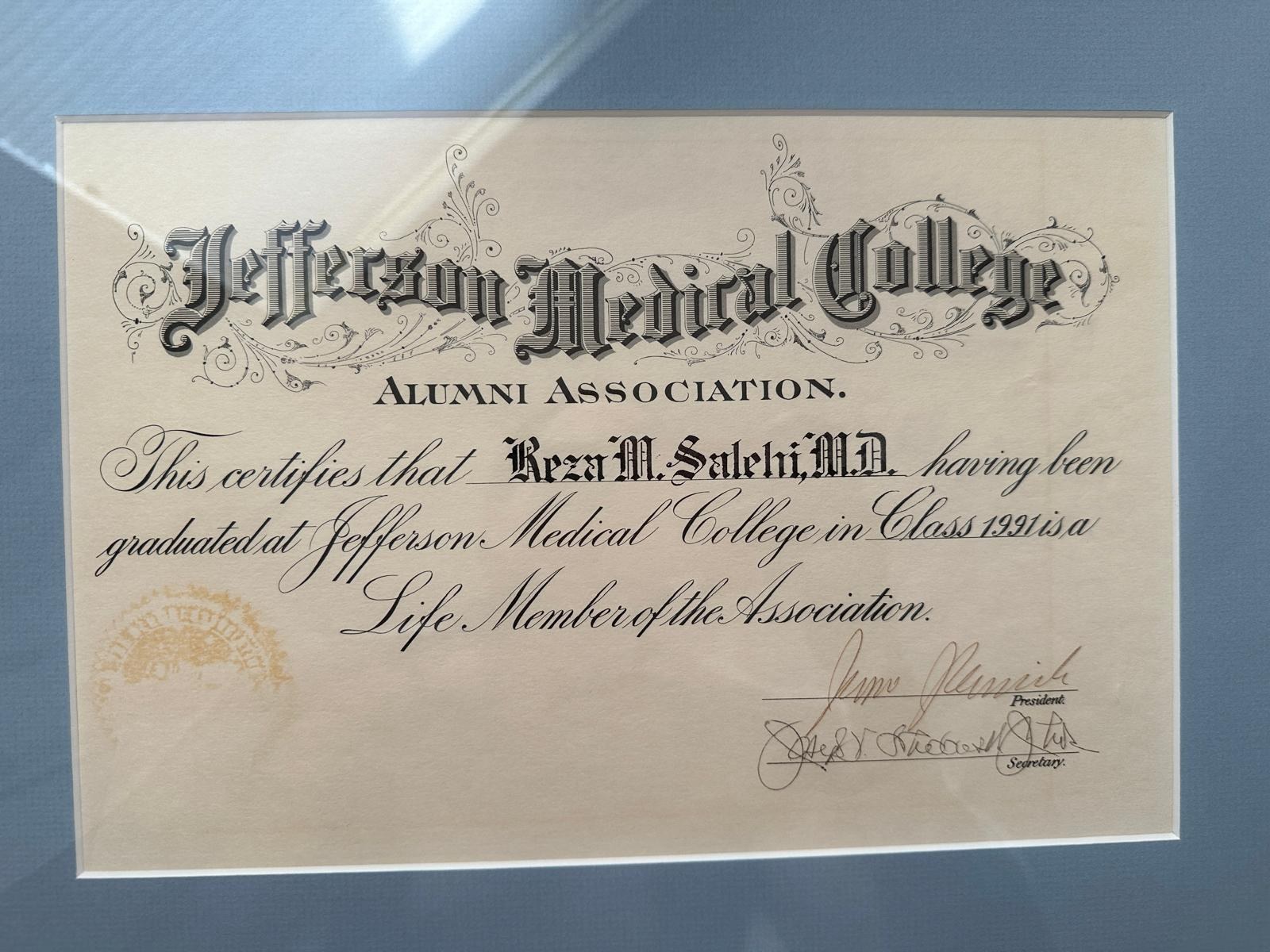
Life Member — Class of 1991
Jefferson Medical College Alumni Association
In the Press
Featured in M.D. News — stroke treatment at Good Samaritan Hospital.
East Bay–South Bay Edition, September 2008. Dr. Malek discusses intracranial stenting, the narrow treatment window for stroke, and the national shortage of neurointerventional physicians — fewer than 30 in California at the time.
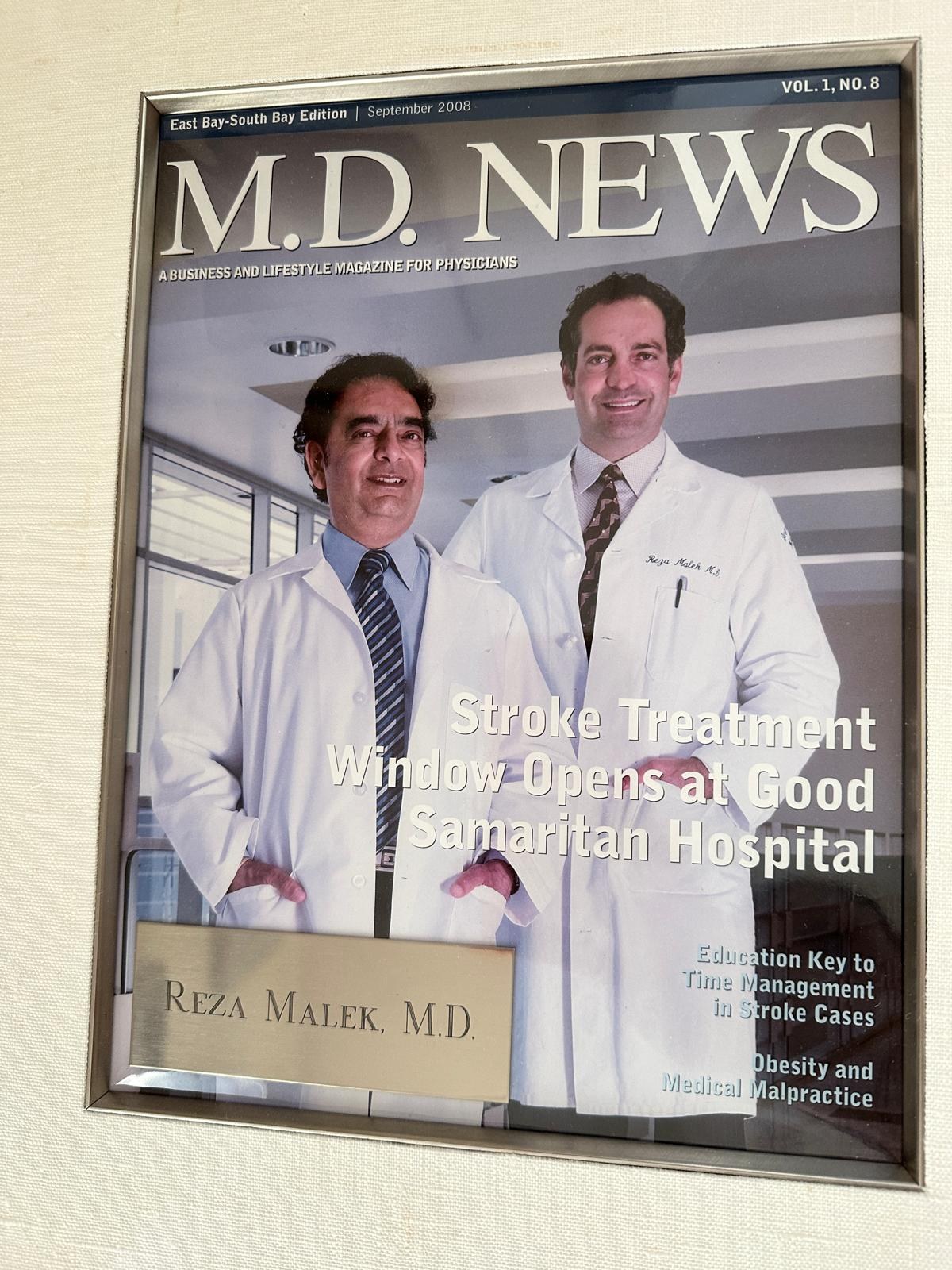
Cover Feature
M.D. News · Vol. 1, No. 8 · September 2008
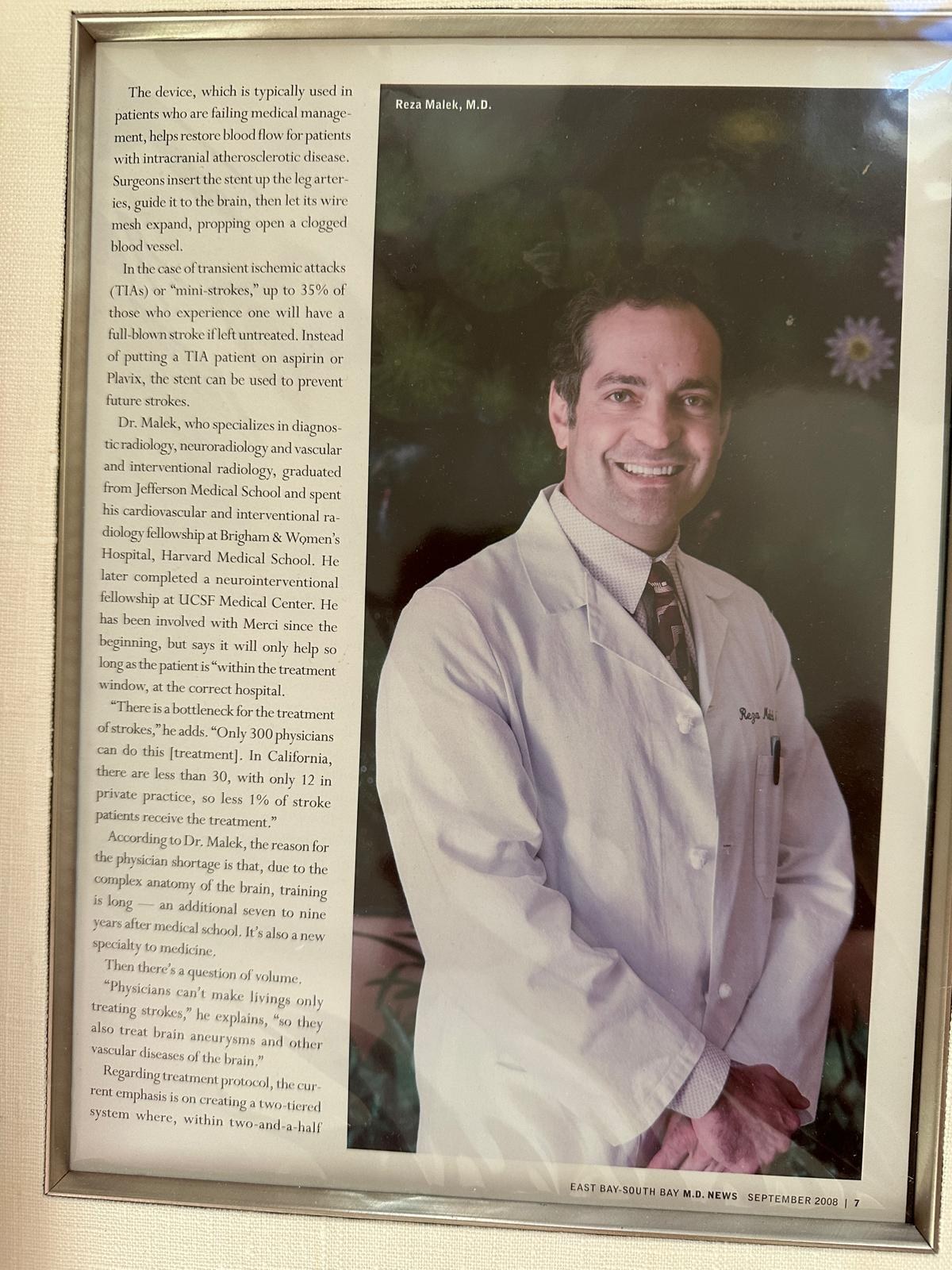
Interview
"Only 300 physicians can do this treatment."
Full print issue
Download the complete M.D. News September 2008 feature as a PDF.
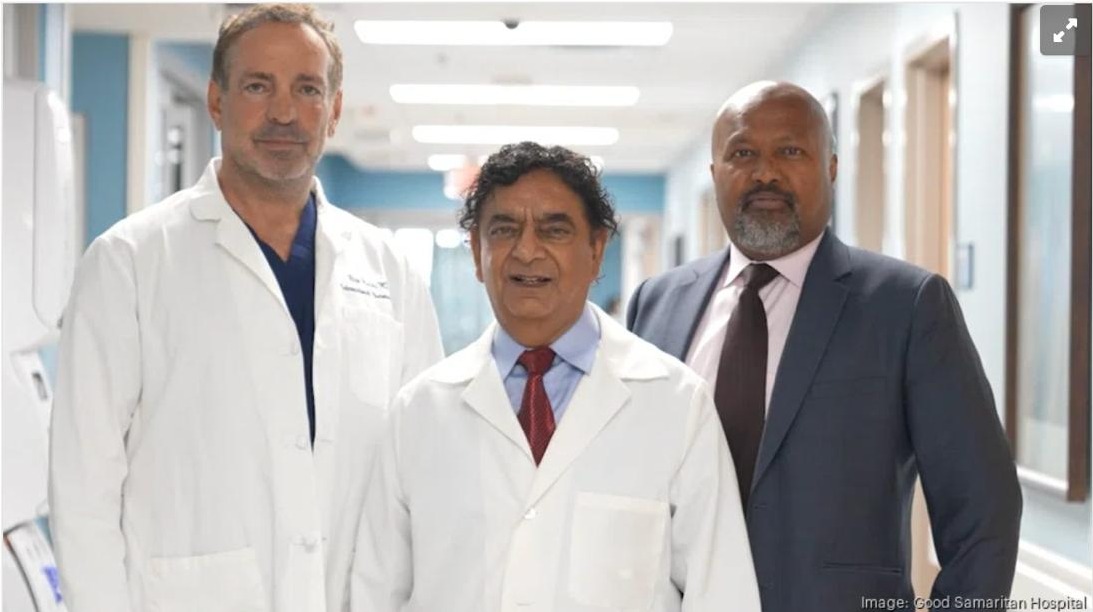
Silicon Valley Business Journal · April 2026
How a Silicon Valley hospital transformed stroke care from hopeless to treatable
From left: Reza Malek, interventional radiologist; Harmeet Sachdev, Comprehensive Stroke Center director; Harish Murthy, director of Neuro ICU — Good Samaritan Hospital, San Jose.
Read the article →
Silicon Valley Business Journal · June 2016
Excellence in Healthcare Awards: Dr. Reza Malek of Good Samaritan Hospital
Recognized among Silicon Valley's top healthcare professionals for advancing patient care and medical innovation.
Read the article →Pioneering Case
One of the first documented mechanical clot retrievals for basilar artery occlusion.
In 2003, Dr. Reza Malek was a co-author of one of the earliest published cases of successful mechanical clot retrieval for acute basilar artery occlusion — a condition with mortality approaching 90% when left untreated. While the first documented MERCI cases were performed at UCLA in 2001, Dr. Malek's team was among the first to report this approach in the highly lethal setting of basilar artery occlusion. The case, reported in Neurology, helped demonstrate that endovascular mechanical embolectomy could achieve complete revascularization and an excellent clinical outcome even in this highly lethal setting.
Publication
Endovascular embolectomy of acute basilar artery occlusion
Neurology · 2003 · PMID: 14638968
The report described a 31-year-old patient who presented in 2002 with confusion, dysarthria, and right-sided weakness. Imaging revealed a basilar artery occlusion secondary to vertebral artery dissection. Dr. Malek and the team used an early-generation Concentric Medical MERCI™ clot retrieval device — the first mechanical embolectomy platform of its kind — to successfully remove the embolus seven hours after symptom onset.
The patient made a full recovery without residual neurologic deficit. This case was among the first documented demonstrations that endovascular mechanical embolectomy could achieve complete revascularization and an excellent clinical outcome in the highly lethal setting of basilar artery occlusion, at a time when the technique was still experimental. The first documented clinical MERCI cases were performed at UCLA in 2001; the device later became the first FDA-cleared mechanical clot retrieval system for acute ischemic stroke in 2004.
Read the case on PubMed →90%
Mortality rate without intervention
7 hrs
Time to clot retrieval
Full
Neurologic recovery
Speaking
Dr. Malek on stage.
Recorded presentations on neurovascular and interventional practice.
Invite
Invite Dr. Reza Malek as a speaker.
Interested in having Dr. Malek speak at your conference, symposium, or corporate event? Send a brief invitation and his office will follow up.
Advisory & Leadership
Shaping the future of medical device, biotech, and digital health.
Dr. Malek brings decades of interventional and neurovascular experience to companies as an advisor, investor, and executive — helping advance device platforms, targeted therapeutics, patient monitoring, and personalized health technologies.
Minimally Invasive Surgical Solutions
Co-founded in 2006 — the first pure interventional practice in Northern California
MISS (endovascularsurgery.com) is the first pure interventional, neurointerventional, and vascular practice in Northern California. Founded in San Jose in 2006 by Dr. Reza Malek and colleagues, the practice focuses on advanced, minimally invasive procedures designed to provide faster recovery, less pain, and fewer complications than traditional open surgery.
Concentric Medical (MERCI Retriever)
Advisor & investigator — first FDA-cleared mechanical clot retrieval system for stroke
Concentric Medical developed the MERCI™ Retriever, the first mechanical embolectomy device used to remove blood clots in acute ischemic stroke. Dr. Malek was involved from the early stages as an advisor and participated as an investigator in key clinical studies sponsored by the company. The first documented clinical cases using the device were performed at UCLA in 2001; Dr. Malek applied the MERCI device in one of the earliest reported basilar artery occlusion cases in 2002, later published in Neurology in 2003. The MERCI Retriever became the first device cleared by the FDA for mechanical clot retrieval in acute ischemic stroke in 2004, and Concentric Medical was acquired by Stryker in 2011 in an all-cash transaction for $135 million.
RenovoRx
Targeted oncology therapies and drug-delivery innovation
RenovoRx is developing the proprietary TAMP™ (Trans-Arterial Micro-Perfusion) therapy platform for locally advanced pancreatic cancer, enabled by the FDA-cleared RenovoCath® catheter. The approach delivers chemotherapy directly to the tumor via arterial perfusion, with the goal of improving local effectiveness while limiting systemic side effects.
TurnCare
Mobility and recovery technology for high-risk patients
TurnCare developed Guardian, a therapy system designed to adapt to individual patient needs in real time. The technology promotes early mobility and is intended to help reduce adverse events, vascular compression, and overall length of stay in patients with limited mobility.
Darmiyan
FDA De Novo–authorized brain health imaging AI
Darmiyan's medical AI and brain-imaging software received FDA De Novo authorization for precision brain health screening and monitoring. Its technology grades the health of the space in between brain cells, helping clinicians distinguish normal aging from neurodegenerative disease.
CygnusMed
Safer, simpler endovascular intervention
CygnusMed is developing the only medical device that allows continuous arterial blood pressure measurement while eliminating blood loss across endovascular procedures — making interventions safer, simpler, and more efficient.
R³ Vascular
Bioresorbable scaffold technology with sirolimus coating
R³ Vascular is developing a world-class bioresorbable scaffold technology with a sirolimus coating for the treatment of peripheral arterial disease — addressing a wide-open market where no effective therapy exists today.
Lazarus Effect
Next-generation devices for acute ischemic stroke
Co-founded by Brian Martin and Martin Dieck, Lazarus Effect developed the Lazarus Cover — a novel nitinol mesh cover designed to complement stent retriever platforms in acute ischemic stroke. The company was acquired by Medtronic in September 2015 for approximately $100 million.
Neuravi
Acute ischemic stroke devices — acquired by Johnson & Johnson
Neuravi was an Irish medical-device company advancing neurovascular therapies for acute ischemic stroke, best known for the EmboTrap clot-retrieval platform. Dr. Malek served as an advisor and was the first investor in the company. Johnson & Johnson acquired Neuravi through its Codman Neuro division in April 2017; the exact sale price was never publicly disclosed, though Irish media described it as a multimillion-euro deal and the largest exit for a venture-backed European medtech company since Medtronic's $700 million acquisition of CoreValve in 2009.
VenaSeal (Sapheon)
Medical adhesive system for treating varicose veins
Sapheon developed the VenaSeal closure system, a novel medical adhesive approach for treating superficial venous disease and varicose veins without thermal ablation. Dr. Malek served as an advisor and investor in the company. Covidien acquired Sapheon in August 2014 for a total potential value of approximately $240 million, consisting of $108 million in cash at closing and up to $130 million in contingent milestone-based payments.
Genophen (BaseHealth)
Personalized health management platform
Genophen, developed by BaseHealth in Los Altos / Silicon Valley, combined genetic, clinical, lifestyle, and laboratory data to assess disease risk and deliver personalized prevention and wellness recommendations. Dr. Malek served as Chief Medical Officer from 2010 to 2013. BaseHealth was acquired by Genalyte in March 2020; the financial terms were not disclosed.
Invite
Invite Dr. Malek to join as an advisor.
If you would like to engage Dr. Malek as a clinical or strategic advisor for your company, board, or scientific team, please send a brief inquiry.
Professional Standing
Board certification and senior society membership.
- Society of NeuroInterventional Surgery (SNIS)
- Senior Member
- Society of Interventional Radiology (SIR)
- Elected Member since August 1997
- Santa Clara County Medical Association
- Elected Member since November 2003
- American Board of Radiology
- Diplomate — Diagnostic Radiology (1998)
About
A career at the intersection of academic medicine and advanced neurovascular care.
Reza Malek, M.D. is a Harvard-trained, board-certified radiologist with advanced subspecialty expertise in interventional and neurovascular radiology. His career spans top U.S. academic institutions, internationally accredited programs, and decades of high-complexity clinical practice.
Dr. Malek earned his Doctor of Medicine degree from Jefferson Medical College of Thomas Jefferson University in Philadelphia, Pennsylvania (1987–1991), then completed his residency in Diagnostic Radiology at the Medical Center of Delaware, followed by a Clinical Fellowship at Harvard Medical School and Brigham and Women's Hospital in Boston. He later pursued advanced subspecialty training in Interventional Neuroradiology at UCSF Medical Center — one of the world's leading centers for neurovascular intervention.
Recognizing the importance of global medical collaboration, he expanded his expertise through programs at Université Paris XI (Paris-Sud) and Mahidol University, with clinical training in Thailand. The program was formally approved by the Royal College of Radiologists (UK) and awarded 135 Category 1 CME credits.
His academic appointment as Clinical Fellow at Harvard Medical School was formally confirmed by the Office of the Secretary of Harvard University — underscoring the institutional recognition of his qualifications and expertise.
Dr. Malek has held academic appointments at leading University of California institutions. He served as Chief of Interventional Radiology at the University of California, Irvine from 2000 to 2002, and as Associate Clinical Professor at the University of California, San Francisco (UCSF), where he also trained in Interventional Neuroradiology.
In clinical practice, Dr. Malek has built and led comprehensive stroke programs across the San Francisco Bay Area. He founded the comprehensive stroke program at Good Samaritan Hospital in San Jose in 2005 and expanded this regional network with a second comprehensive stroke program at Regional Medical Center in San Jose in 2007 — helping transform stroke care from a historically fatal diagnosis into a treatable emergency for the community.
Education & Leadership
Neuro Vascular Conference
For the past 20 years, Dr. Reza Malek has organized and led the Neuro Vascular Conference in San Jose. Held on the first and third Thursday of every month via conference call, this ongoing educational meeting brings together physicians to discuss complex neurovascular cases, share clinical experience, and collaboratively develop treatment strategies.
He has also trained and mentored numerous fellows and physicians in neurointerventional radiology over the years, actively supporting the growth and development of the next generation of specialists in the field.
Participants receive Continuing Medical Education (CME) credits through Good Samaritan Hospital.
Featured Procedure
Prostate Artery
Embolization in California.
PAE is a modern, minimally invasive treatment for men suffering from symptoms of benign prostatic hyperplasia (BPH). Rather than cutting or removing prostate tissue, the procedure selectively reduces blood flow to the prostate — relieving pressure on the urethra and improving urinary function.
Dr. Malek performs PAE using the same advanced interventional techniques and devices used in stroke and neurovascular treatments — a level of precision typically reserved for the brain.
How It Works
Four steps, one to two hours, no surgical incision.
Access
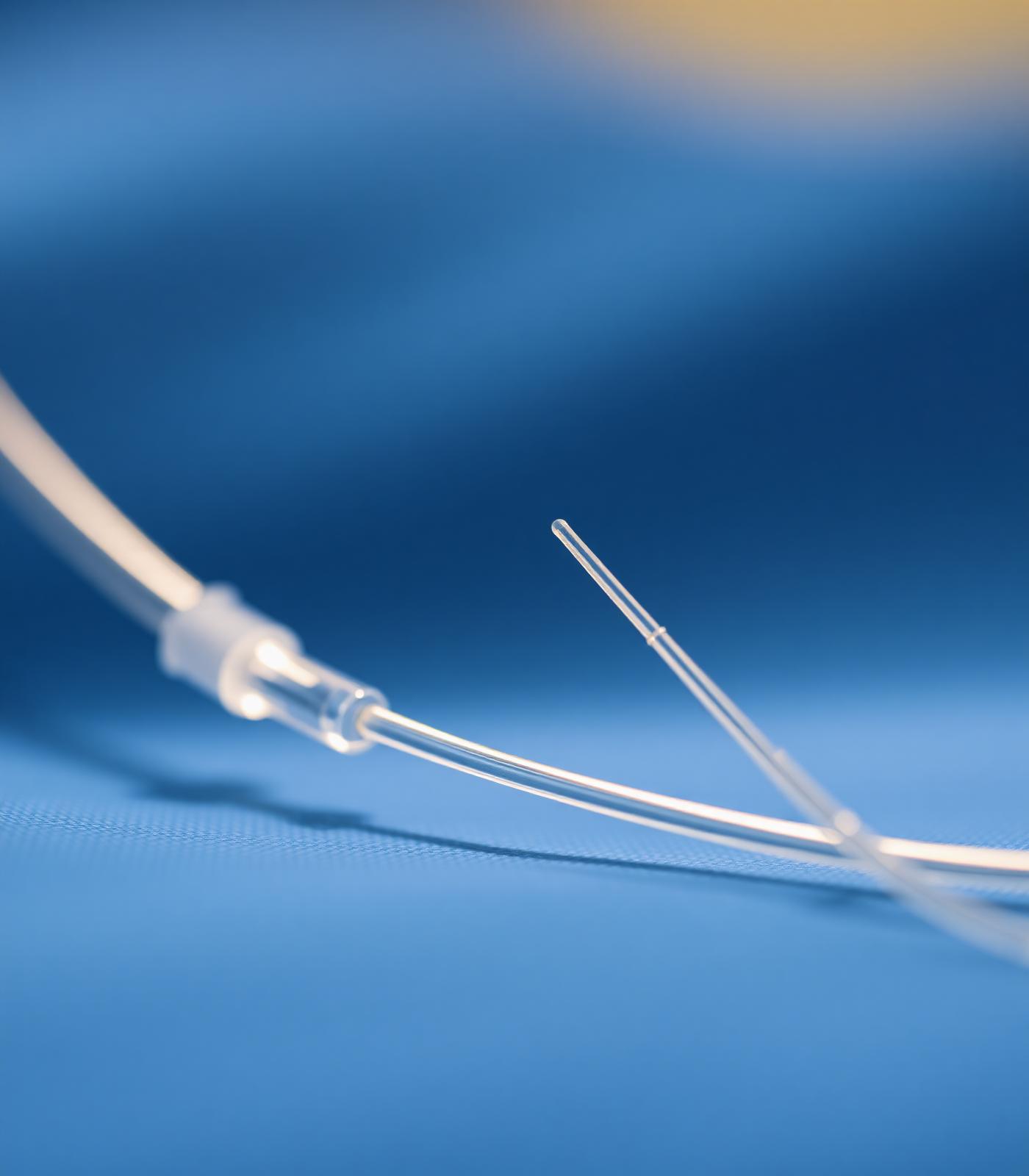
A small catheter is inserted into an artery in the wrist or groin.
Navigation
Real-time X-ray imaging guides the catheter precisely to the prostate arteries.
Embolization
Microscopic particles are injected to block targeted blood vessels feeding the prostate.
Recovery
Reduced blood flow shrinks the prostate over the following weeks, easing urinary symptoms.
Why PAE
A modern alternative to TURP.
PAE is often offered when patients want the symptom relief of surgery without its trauma, recovery time, or risk profile.
- Minimally invasive — no surgical cutting
- Typically performed as an outpatient procedure
- Shorter recovery time than surgery
- Lower risk of urinary incontinence
- Low risk of sexual side effects
- No removal or cutting of prostate tissue
- Most patients return home the same day
- Symptom relief often begins within days to weeks
Conditions Treated
Symptoms of benign prostatic hyperplasia (BPH).
BPH is a non-cancerous enlargement of the prostate that commonly affects aging men and can significantly reduce quality of life.
- 01Weak or interrupted urine stream
- 02Frequent urination, especially at night
- 03Urinary urgency
- 04Difficulty starting urination
- 05Incomplete bladder emptying
Consultation
Ask Dr. Malek about your case.
Dr. Malek welcomes questions about stroke and neurovascular care — acute clot retrieval, brain aneurysms including recurrent aneurysm retreatment, dural arteriovenous fistulas, complex aortic disease, and Prostate Artery Embolization. Every case is unique; a consultation and imaging review help determine whether you may be a candidate. Please send a request, and Dr. Malek's office will reach out to you.
Treatment options vary by case; not every procedure is appropriate for every patient.
Testimonials
What patients and colleagues say.
“This doctor saved my life...he's amazing!!!! I could go on but understand he took charge when others were searching.”
Share your experience
Leave a patient or colleague review for Dr. Malek
Your story helps others understand the care and expertise behind the practice.
Gratitude
The foundation of my professional path
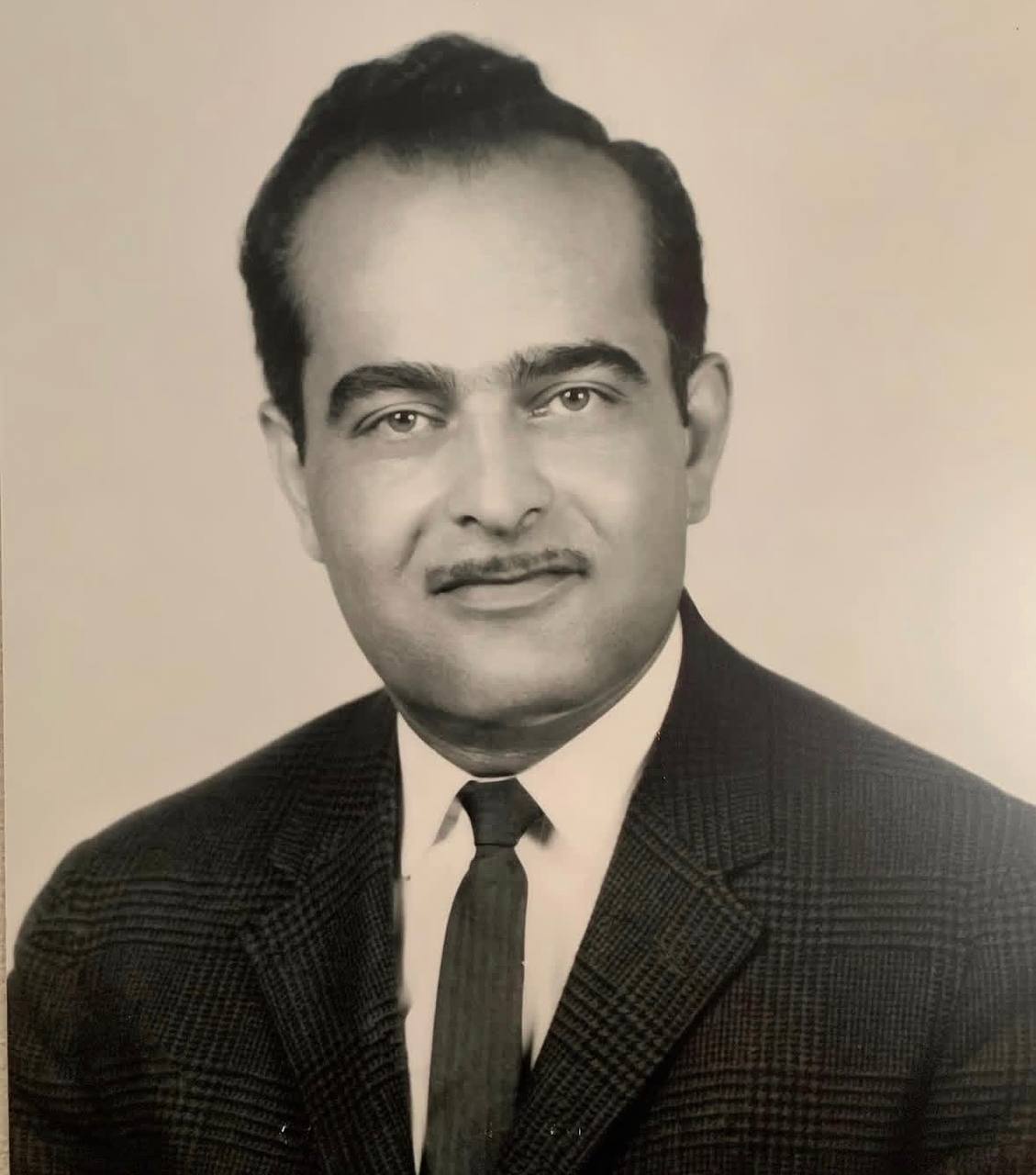
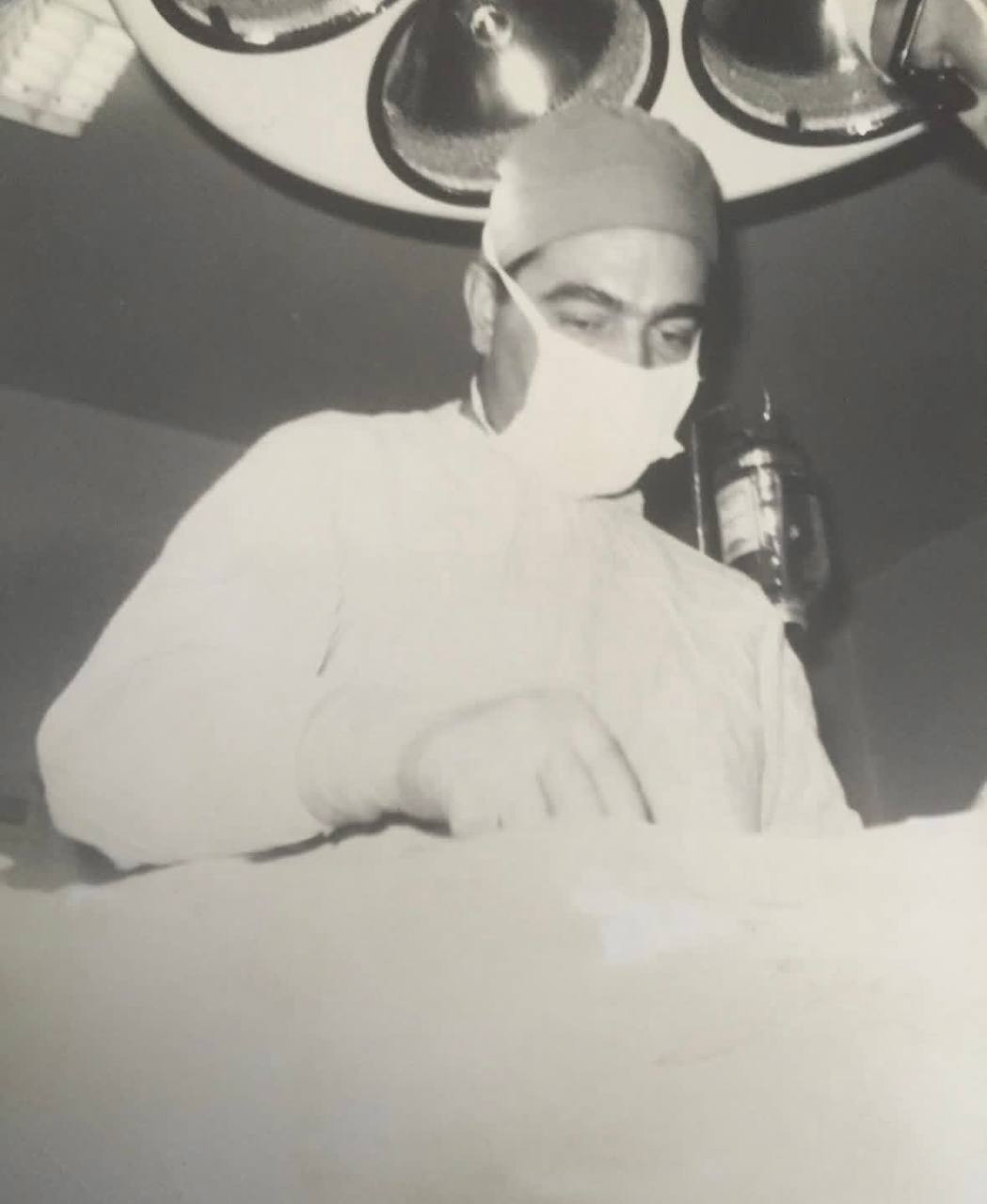
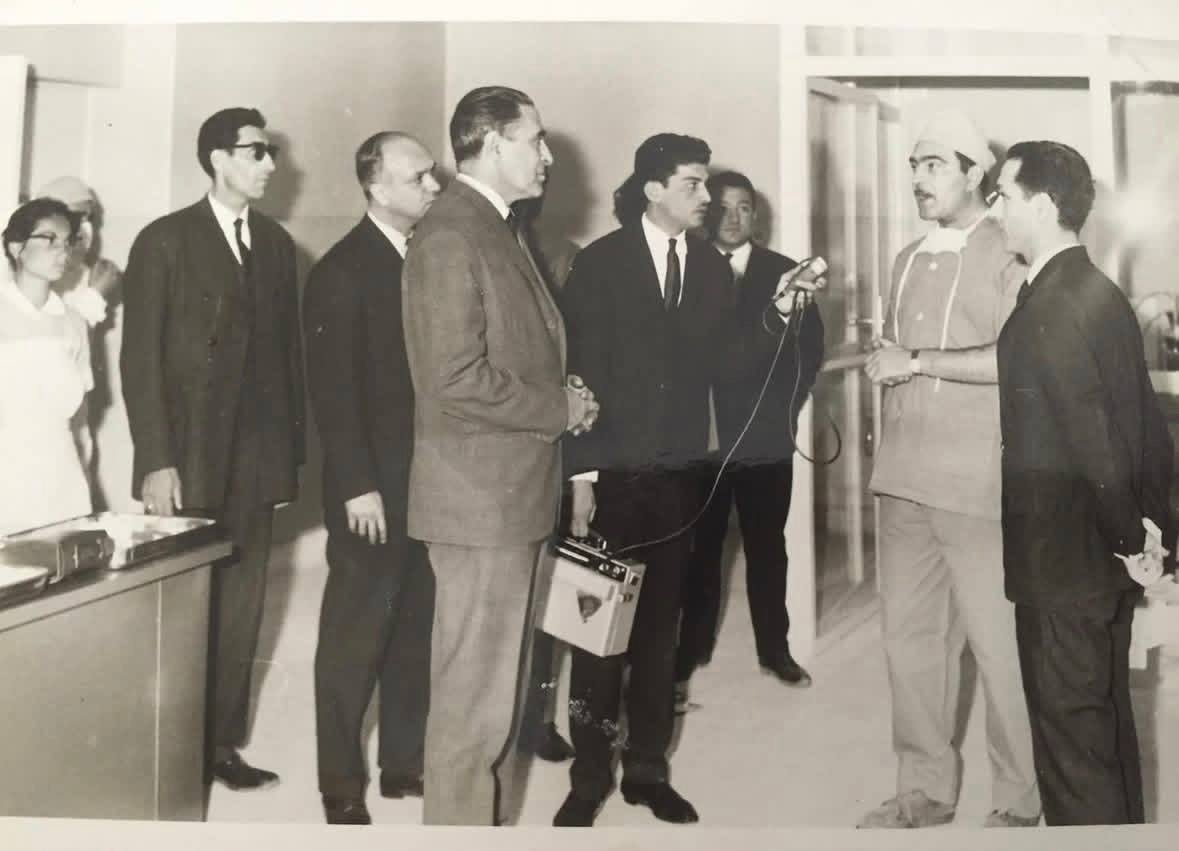
I owe the foundation of my professional path to my father, Dr. Hossein Maleksalehi.
He was a surgeon trained in America in the early 1960s. After returning to Iran, he built his own hospital and became a respected physician and city council member.
To his family and friends he was a source of guidance and solace. To me, he set an impossibly high bar of excellence and an unwavering belief in the power of healing. Watching him work inspired me to become a physician.
I remain grateful to the mentors and institutions that later shaped my training:
- Jefferson Medical College
- Brigham and Women’s Hospital / Harvard Medical School
- University of California, San Francisco (UCSF)
- University of California, Irvine
And to the colleagues in Bay Area with whom I have spent decades building stroke and neurovascular care in Silicon Valley.